Year-End Turf Maintenance Checklist
As the year draws to a close, it is the ideal time to take stock of your artificial turf's condition and plan for the year ahead. A comprehensive year-end review helps you identify issues that developed over the past twelve months, address any deferred maintenance, and create a proactive plan that keeps your turf in excellent shape throughout the coming year. Here is a detailed checklist to guide your year-end turf maintenance assessment in San Diego.
Visual Inspection
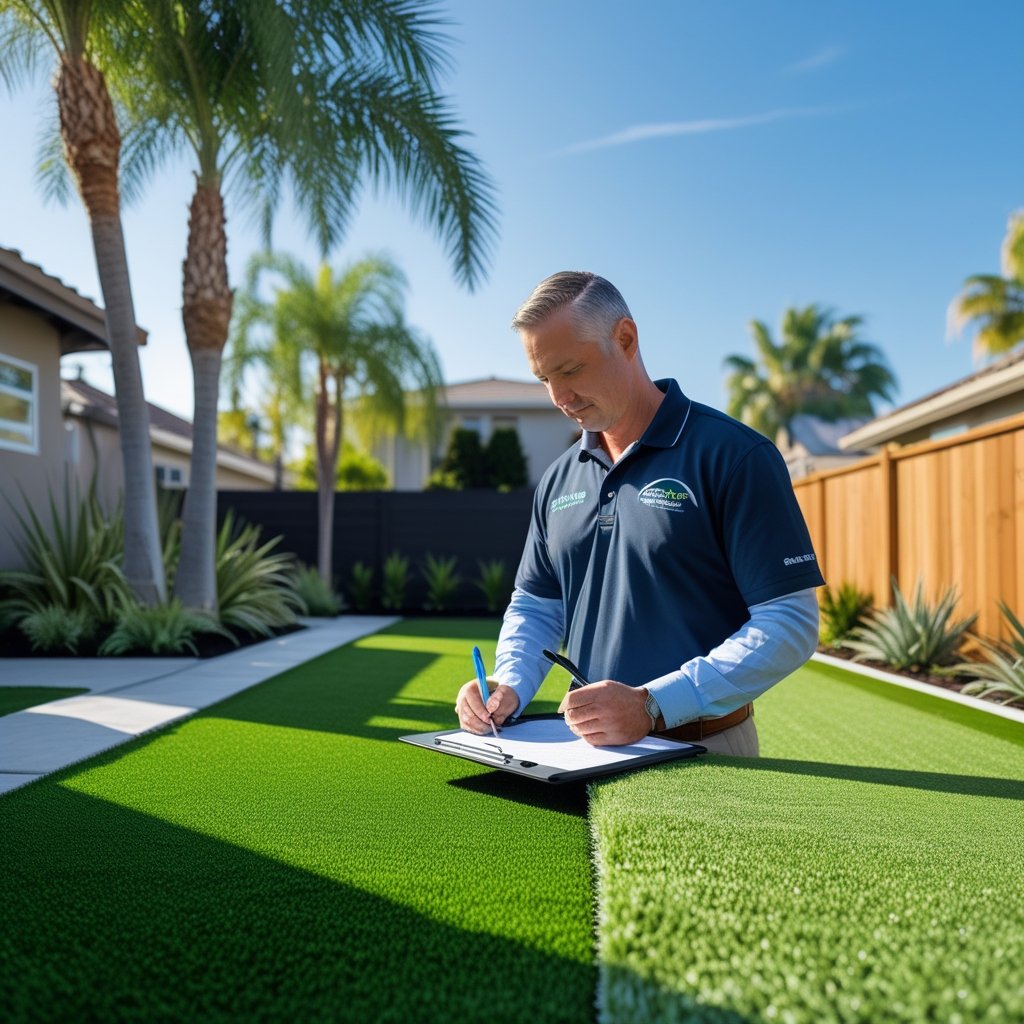
Walk your entire turf surface and conduct a thorough visual inspection. Look for color changes, fading, or discoloration that may indicate UV damage, staining, or biological growth. Check for areas where the turf fibers have become permanently matted or flattened, which suggests heavy wear or insufficient infill support. Note any visible damage such as tears, burns, or holes that need repair.
Examine all seams between turf panels for signs of separation, lifting, or fraying. Seam issues tend to worsen over time, especially during wet weather, so catching them early prevents more extensive and costly repairs later. Also inspect the perimeter where the turf meets hardscaping, garden beds, or other surfaces. Make sure the edges are secure and that no gaps have developed that could allow water intrusion or weed growth beneath the turf.
Infill Assessment
Check the infill depth across your entire turf surface. Use a ruler or simply push apart the turf fibers to visually assess the infill level. It should be uniform across the surface and come up to about half an inch below the tips of the fibers. Common problem areas include high-traffic zones where infill has been displaced, low spots where infill has migrated, and edges where wind or water runoff has washed infill away.
If your infill has become noticeably compacted, discolored, or if it has been more than two years since it was last topped off, schedule an infill service for early in the new year. Proper infill levels are essential for fiber support, drainage, and the overall feel and appearance of your turf.
Drainage Testing
Test your turf's drainage by pouring a bucket of water on several areas and observing how quickly it drains. Water should disappear from the surface within a minute or two on a properly functioning system. If water pools or drains slowly in any area, this indicates compacted infill, blocked drainage holes, or base material issues that need professional attention before the heart of San Diego's rainy season.
Also check any drainage outlets or French drains associated with your turf installation. Ensure they are clear of debris and flowing properly. Poor drainage is one of the leading causes of turf problems including mold growth, infill saturation, and backing deterioration, so addressing drainage issues promptly protects your investment.
Professional Inspection
Consider scheduling a professional inspection as part of your year-end maintenance. A trained technician can identify issues that may not be obvious to the untrained eye, including early signs of backing deterioration, subbase problems, and subtle drainage issues. They can also provide an honest assessment of your turf's overall condition and remaining lifespan, helping you budget for any major maintenance or eventual replacement.
A professional inspection is especially valuable if your turf is more than five years old, if it has been subjected to unusual stress during the year, or if you have noticed any changes in performance or appearance that concern you. The cost of an inspection is minimal compared to the expense of addressing problems that have been allowed to worsen undetected.
Planning Next Year's Maintenance
Use the information from your year-end review to create a maintenance plan for the coming year. Map out a cleaning schedule that accounts for seasonal needs: spring pollen removal, summer odor management, fall leaf cleanup, and winter rain preparation. If you have pets, plan for more frequent cleanings during the warmer months when odor issues are most pronounced.
Budget for any repairs or services identified during your inspection, including infill top-offs, seam repairs, edge reinforcement, or drainage improvements. Spreading these costs across the year makes them more manageable and ensures your turf receives consistent care rather than reactive emergency treatments.
Holiday Season Preparation
Since the year-end review coincides with the holiday season, factor in any upcoming entertaining plans. If you are hosting holiday gatherings on or near your turf, schedule cleaning before the first event and plan for a post-holiday cleanup in January. This ensures your turf is presentable for guests and recovers quickly from the extra foot traffic and activity of the festive season. Starting the new year with a clean, well-maintained turf surface sets a positive tone for the twelve months ahead.