Preparing Artificial Turf for Winter Rain in San Diego
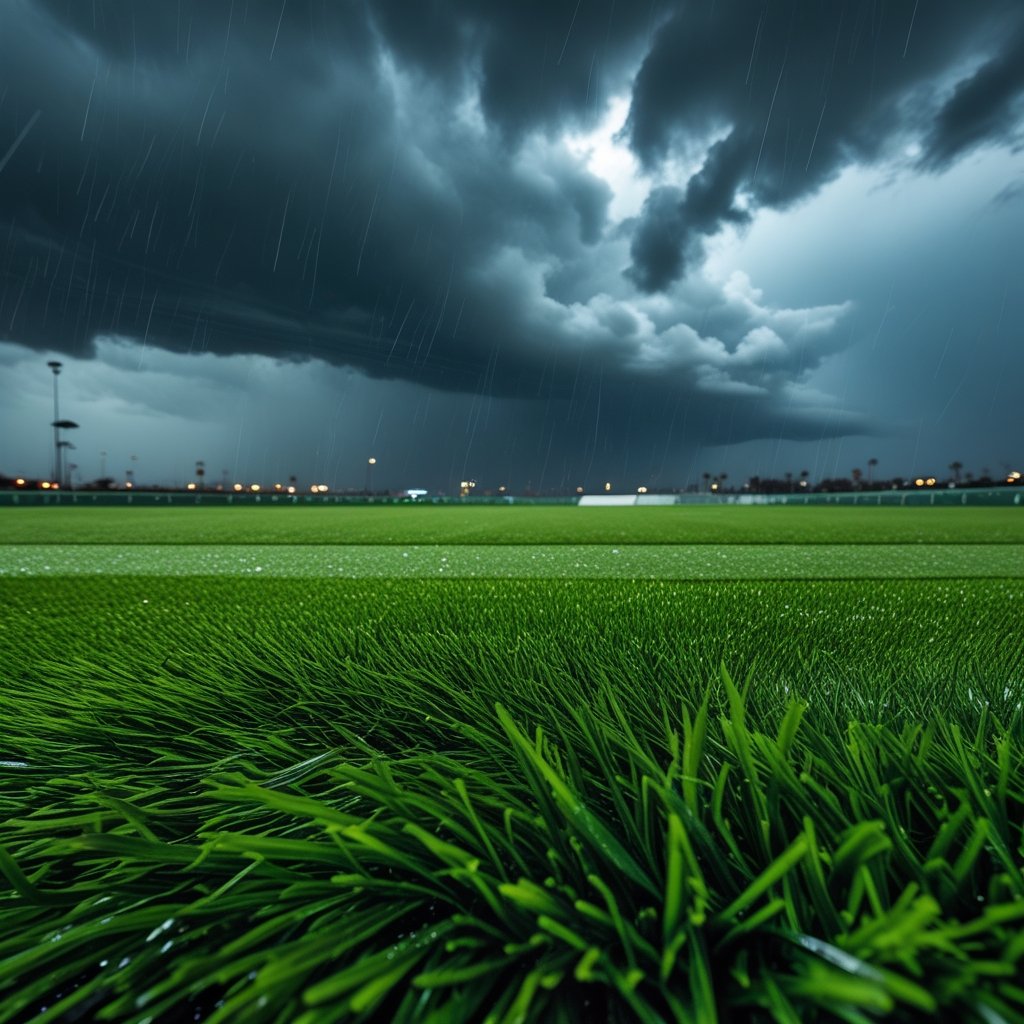
San Diego may be known for its sunshine, but the winter months bring a rainy season that can test your artificial turf's drainage and resilience. From December through March, periodic storms deliver significant rainfall that needs to drain quickly through your turf to prevent pooling, mold growth, and damage. With proper preparation, your synthetic lawn will handle the rains easily and come out looking great on the other side.
Drainage Preparation Is Key
The single most important factor in how your turf handles heavy rain is drainage. A well-installed artificial turf system includes a compacted aggregate base layer designed to move water away from the surface efficiently. Over time, however, the infill can become compacted or clogged with organic debris, slowing drainage and creating conditions for standing water.
Before the rainy season arrives, check your turf for any areas where water has pooled in the past. These spots indicate drainage problems that should be addressed before the heavy rains come. A professional can assess your drainage situation and determine whether infill decompaction, additional drainage channels, or infill replacement is needed. Taking care of drainage issues in late fall saves you from dealing with much bigger problems during winter storms.
Infill Maintenance Before the Rains
Your infill plays a critical role in drainage performance. Compacted or contaminated infill slows water movement and can cause surface pooling that leads to mold and mildew. Have your infill levels checked and topped off if necessary before the rainy season. If your infill is more than a few years old and has never been refreshed, this is an excellent time to schedule a professional infill service.
Zeolite infill, which is popular among San Diego pet owners for its odor-absorbing properties, can become saturated over time and lose some of its effectiveness. If your turf uses zeolite and it has not been replaced in over a year, consider refreshing it before winter. Fresh infill provides better drainage and starts the rainy season with maximum absorption capacity.
Mold Prevention Strategies
Mold and mildew thrive in damp, shaded conditions, and San Diego's rainy season creates exactly that environment. Areas of your turf that receive limited sunlight, such as spots under eaves, along fences, or beneath trees, are most susceptible. Before the rains begin, schedule a professional sanitization treatment that includes an anti-microbial application to these vulnerable areas.
Improving air circulation around your turf also helps prevent mold. Trim back any vegetation that has grown over or against the turf edges during summer. Clear gutters and downspouts so that roof runoff is directed away from the turf surface rather than pooling on it. If you have areas where runoff from adjacent hardscaping flows onto the turf, consider installing a French drain or channel drain to redirect the water.
Post-Storm Cleanup
After a significant rainstorm, take a few minutes to inspect your turf. Look for any areas of standing water that have not drained within a few hours of the rain stopping. Check edges and seams for any lifting or separation caused by water intrusion. Remove any debris that the storm washed onto the surface, as wet organic debris can begin causing problems quickly.
If you notice standing water that persists for more than 12 hours after rain has stopped, this is a drainage issue that needs professional attention. Persistent pooling can lead to mold growth, infill displacement, and even damage to the turf backing if left unaddressed. Most drainage problems can be resolved with infill maintenance or minor grading adjustments to the base layer.
Professional Pre-Winter Service
The smartest move a San Diego turf owner can make is scheduling a comprehensive professional service in November or early December, before the heaviest rains typically arrive. This service should include a deep cleaning, infill assessment and top-off, drainage testing, anti-microbial treatment, and a thorough inspection of edges and seams.
Think of it as winterizing your turf, just as you would winterize a pool or irrigation system. This proactive visit identifies and addresses any issues that could become major problems once the rain starts falling regularly. The investment in a pre-winter service is small compared to the cost of repairing damage from preventable drainage failures, mold infestations, or structural issues that worsen over a wet winter season. Contact Turf Cleaning SD to schedule your pre-winter turf service and head into the rainy season with confidence.