
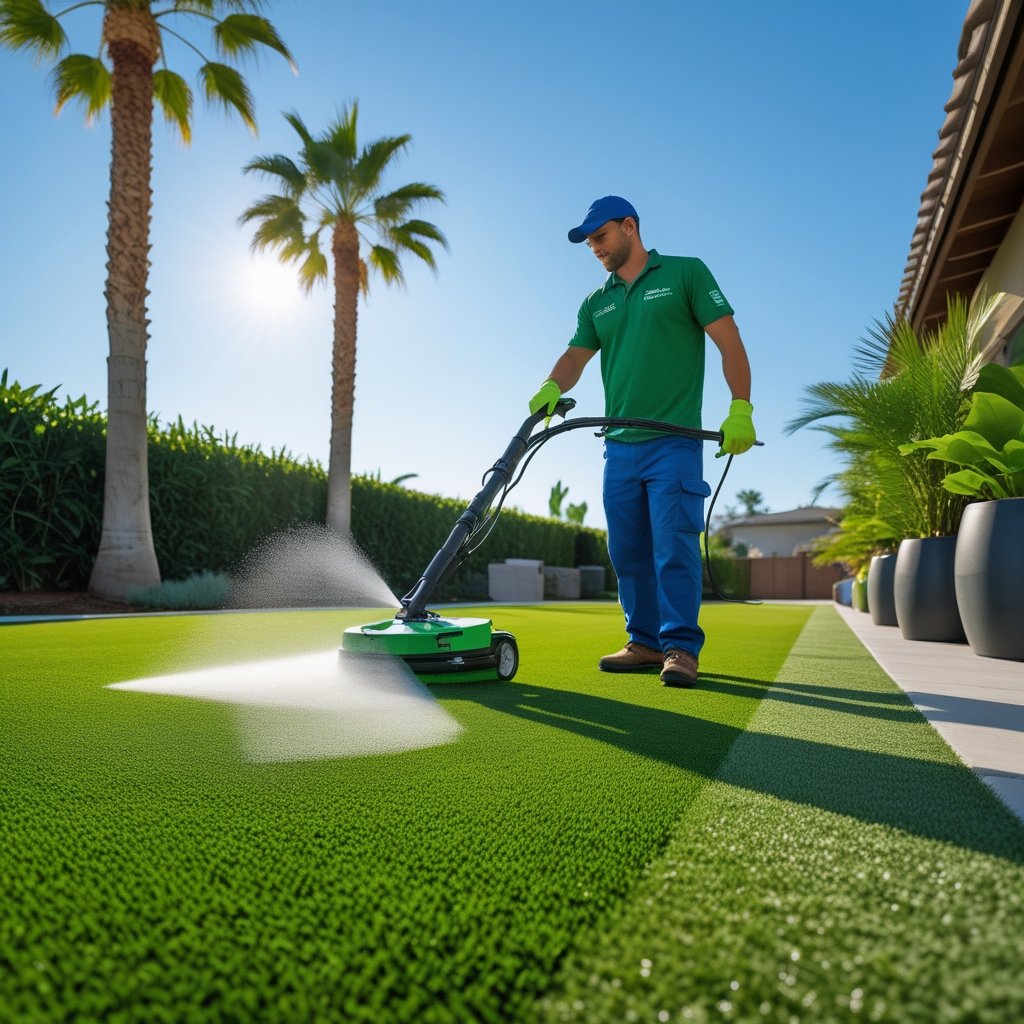
Sustainable Turf Care Practices for San Diego
Choosing artificial turf is already a step toward more sustainable landscaping, but the way you maintain that turf also matters. Sustainable turf care means minimizing water use, choosing environmentally responsible products, and adopting practices that reduce your overall environmental footprint. For San Diego homeowners who care about sustainability, these practices ensure your turf maintenance aligns with your values.
Eco-Conscious Maintenance Philosophy
Sustainable turf care starts with a mindset shift. Rather than approaching cleaning as a purely cosmetic exercise, think of maintenance as stewardship of an investment that is already reducing your environmental impact. Every decision, from the products you use to the frequency of cleaning, has environmental implications. Making conscious choices at each step adds up to significant positive impact over time.
The goal is to maintain your turf's appearance, hygiene, and longevity while using the minimum amount of water, energy, and chemical products necessary to achieve those results. This does not mean cutting corners on maintenance. It means being thoughtful and efficient about how maintenance is performed.
Water-Efficient Cleaning Methods
While artificial turf dramatically reduces water consumption compared to natural grass, cleaning still requires some water use. Sustainable cleaning practices minimize this use through targeted application rather than broad rinsing, using pressure-efficient equipment that delivers effective cleaning with less water, collecting and directing rinse water away from storm drains where possible, and timing cleaning to avoid the hottest parts of the day when evaporation is highest.
Professional cleaning services that use enzyme-based treatments are inherently more water-efficient because the enzymes do the heavy lifting of breaking down organic matter. Less rinsing is required when biological agents are digesting contaminants rather than relying solely on water pressure to wash them away. This is especially relevant in San Diego, where every gallon saved contributes to regional water conservation.
Choosing Green Products
The products used to clean your turf have a direct environmental impact. Conventional cleaning products may contain chemicals that persist in the environment, contaminate soil and groundwater, and harm local wildlife. Green alternatives use biodegradable ingredients that break down naturally and leave no harmful residues.
When selecting products for DIY maintenance or evaluating a professional service, look for plant-based surfactants instead of petroleum-based ones, enzyme and bacterial cleaners rather than chemical sanitizers, products free from phosphates, chlorine, and synthetic fragrances, and concentrated formulas that reduce packaging and transportation waste. These choices protect the San Diego environment while still delivering effective turf cleaning results.
Reducing Environmental Impact
Beyond products and water use, several other practices contribute to sustainable turf care. Using manual tools like rakes and brooms instead of gas-powered blowers for light debris removal reduces emissions and noise pollution. Choosing a local service provider reduces transportation emissions compared to companies that travel long distances to reach your property.
Maintaining a regular cleaning schedule is also a sustainable practice, even though it may seem counterintuitive. Turf that is cleaned regularly requires less intensive effort at each cleaning, which means less water, fewer products, and less energy per visit. Deferred maintenance leads to problems that require more aggressive and resource-intensive interventions to correct.
Sustainable Infill Choices
If your turf needs infill replenishment, consider sustainable infill options. Traditional crumb rubber infill is made from recycled tires, which is a form of recycling but raises concerns about microplastic release. Newer alternatives include coconut fiber, cork, and other plant-based infills that are renewable, biodegradable, and free from synthetic materials.
These organic infills also tend to stay cooler in San Diego's summer heat, which is a practical benefit in addition to the environmental advantage. While they may cost more than traditional options and require more frequent replenishment, they represent the most environmentally responsible choice available for turf infill.
Sustainable turf care is not about perfection. It is about making better choices consistently over time. By adopting these practices, San Diego homeowners can enjoy beautiful, well-maintained artificial turf while minimizing their environmental footprint and contributing to the sustainability of the region.