Spring Pollen and Artificial Turf Care in San Diego
Spring in San Diego is beautiful, but it also marks the beginning of pollen season. From February through May, trees, grasses, and flowers release massive amounts of pollen into the air, and a significant portion of it ends up settling on outdoor surfaces, including your artificial turf. For allergy sufferers, a pollen-coated lawn can turn outdoor relaxation into a miserable experience. Understanding how to manage pollen on your synthetic turf will help you enjoy your yard throughout the spring season.
How Pollen Accumulates on Turf
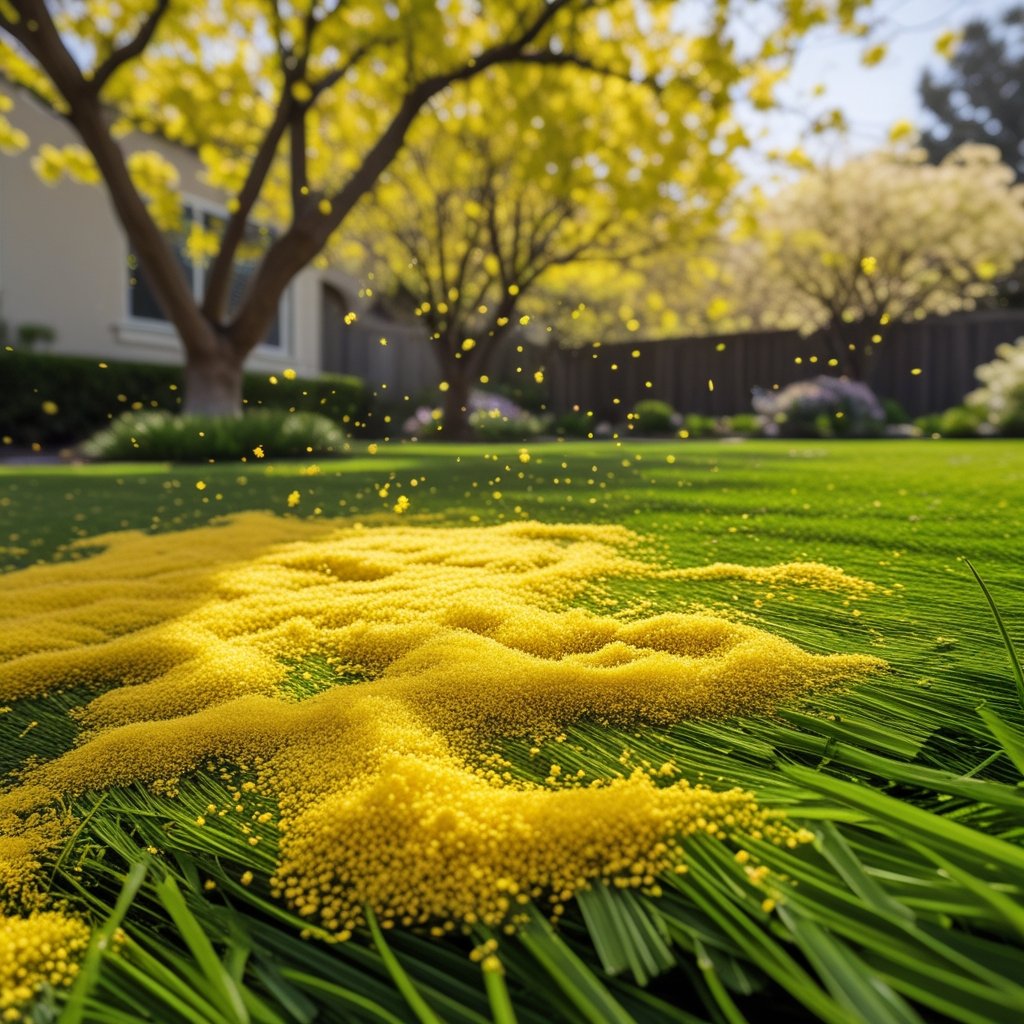
Pollen grains are tiny and lightweight, carried by wind currents across entire neighborhoods. When they settle on artificial turf, they cling to the fiber surfaces and work their way into the infill material. Unlike natural grass, which absorbs and processes some pollen through its biological systems, synthetic turf simply collects it. Over the course of a spring season, pollen can build up to visible levels, giving your turf a yellowish or greenish tint depending on the pollen types prevalent in your area.
San Diego's diverse plant life means multiple pollen types are present throughout spring. Early spring brings tree pollen from species like oak, eucalyptus, and palm. Mid-spring introduces grass pollens, and late spring adds weed pollens to the mix. This overlapping cycle means your turf may be dealing with pollen accumulation for several consecutive months.
Allergy Concerns and Your Outdoor Space
For the millions of people who suffer from seasonal allergies, pollen on artificial turf is more than a cosmetic issue. Walking, sitting, or playing on pollen-coated turf stirs up the settled pollen, creating a concentrated cloud of allergens right at breathing level. Children playing on the ground are especially vulnerable, as they are closer to the surface and more likely to have direct skin contact with the pollen-laden fibers.
Interestingly, artificial turf can actually be better for allergy sufferers than natural grass when properly maintained. Natural lawns produce their own pollen and harbor additional allergens like mold spores in the soil. A clean synthetic lawn eliminates grass pollen production entirely and provides a surface that can be washed clean of environmental pollen, something you cannot do with a natural lawn.
Effective Pollen Removal Techniques
The most effective way to remove pollen from artificial turf is a thorough rinse with your garden hose. Water dissolves pollen grains and flushes them through the turf and into the drainage system. For the best results, rinse your turf early in the morning when pollen counts are typically lower and the surface may still be damp from dew. Work the hose in a systematic pattern, starting from one end and moving to the other, to push pollen-laden water off the surface rather than just redistributing it.
For heavier pollen accumulation, follow the hose rinse with a light brushing using a stiff-bristle broom. This helps dislodge pollen that has settled deep into the infill. Avoid using leaf blowers for pollen removal, as they simply launch pollen back into the air where it will resettle once the wind dies down. Water-based removal is always preferable during pollen season.
Cleaning Frequency During Pollen Season
During peak pollen season in San Diego, which generally runs from March through May, plan to rinse your turf at least once or twice a week. If you or family members have significant allergies, daily rinsing of the most-used areas will make a noticeable difference in comfort. Focus on areas where people sit, play, or spend the most time, as these are the zones where pollen contact is most impactful.
Keep an eye on local pollen forecasts, which are readily available through weather apps and allergy tracking websites. On high-pollen days, a quick rinse before using your outdoor space can dramatically reduce allergen exposure. This takes just a few minutes and provides immediate relief for sensitive family members.
When to Call the Professionals
While regular rinsing handles surface pollen effectively, a professional spring cleaning addresses the pollen that has worked its way deep into the infill over the season. Professional cleaning equipment can flush pollen from the infill layer, something a garden hose cannot fully accomplish. This deeper cleaning not only removes allergens but also prevents the compacted pollen from affecting drainage as the season progresses.
Schedule a professional cleaning in early spring to start the season fresh, and consider a second visit in late spring to clear the accumulated pollen from the entire season. At Turf Cleaning SD, our spring cleaning service specifically targets pollen and allergen removal, leaving your turf clean, sanitized, and comfortable for the warmer months ahead. If allergies are a concern in your household, professional pollen removal is one of the best investments you can make for your family's outdoor comfort.