Why Regular Turf Sanitization Matters
If you own artificial turf in San Diego, you probably understand the importance of keeping it clean. But there is a meaningful difference between cleaning and sanitization, and understanding that distinction can have a real impact on your family's health and the longevity of your turf. While cleaning removes visible dirt and debris, sanitization targets the invisible threats: bacteria, viruses, mold spores, and other pathogens that accumulate on every outdoor surface over time.
What Sanitization Eliminates
A proper turf sanitization treatment targets and eliminates a wide range of harmful microorganisms. Bacteria like E. coli, Staphylococcus, Salmonella, and Enterococcus are common residents of untreated artificial turf, especially in areas used by pets. Mold and mildew spores, which thrive in damp or shaded conditions, are neutralized during the sanitization process. Viruses that can survive on outdoor surfaces for hours or days are also killed on contact.
Beyond living organisms, sanitization also breaks down the organic compounds that cause unpleasant odors. Uric acid crystals from pet urine, decomposing organic matter, and bacterial waste products all contribute to the smell of neglected turf. Enzyme-based sanitization treatments break these compounds down at the molecular level, providing freshness that far outlasts a simple rinse. This dual action of killing pathogens and eliminating odors makes sanitization the most valuable service in your turf maintenance toolkit.
Health Benefits for Your Household
The health benefits of regular turf sanitization extend to every member of your household. For children, a sanitized turf surface means safer play with reduced risk of skin infections, gastrointestinal illness from accidental ingestion of contaminated material, and lower exposure to allergens and respiratory irritants. For pet owners, sanitization creates a cleaner environment that reduces the risk of both human and animal illness from pet waste-related bacteria.
Allergy sufferers benefit from the mold and pollen reduction that comes with regular sanitization. People with respiratory conditions like asthma experience fewer symptoms when their outdoor surfaces are free of mold spores and fine particulate matter. Even healthy adults benefit from the peace of mind that comes with knowing their outdoor living space is hygienically clean, especially when using the turf for dining, entertaining, or relaxation.
Recommended Frequency
The ideal sanitization frequency depends on your household's specific circumstances. For homes without pets and moderate turf use, sanitization every three to four months provides adequate protection. Pet-owning households should increase the frequency to every six to eight weeks, and homes with multiple pets or heavy pet use may benefit from monthly sanitization during warmer months.
Families with young children who play on the turf regularly should lean toward the more frequent end of the spectrum, particularly during summer when bacterial growth is accelerated by heat and the turf sees the most use. Seasonal adjustments are also important. Summer and early fall warrant more frequent sanitization due to higher temperatures and increased outdoor activity. Winter months, with cooler temperatures and less turf use, may allow for slightly longer intervals between treatments.
Professional vs. DIY Sanitization
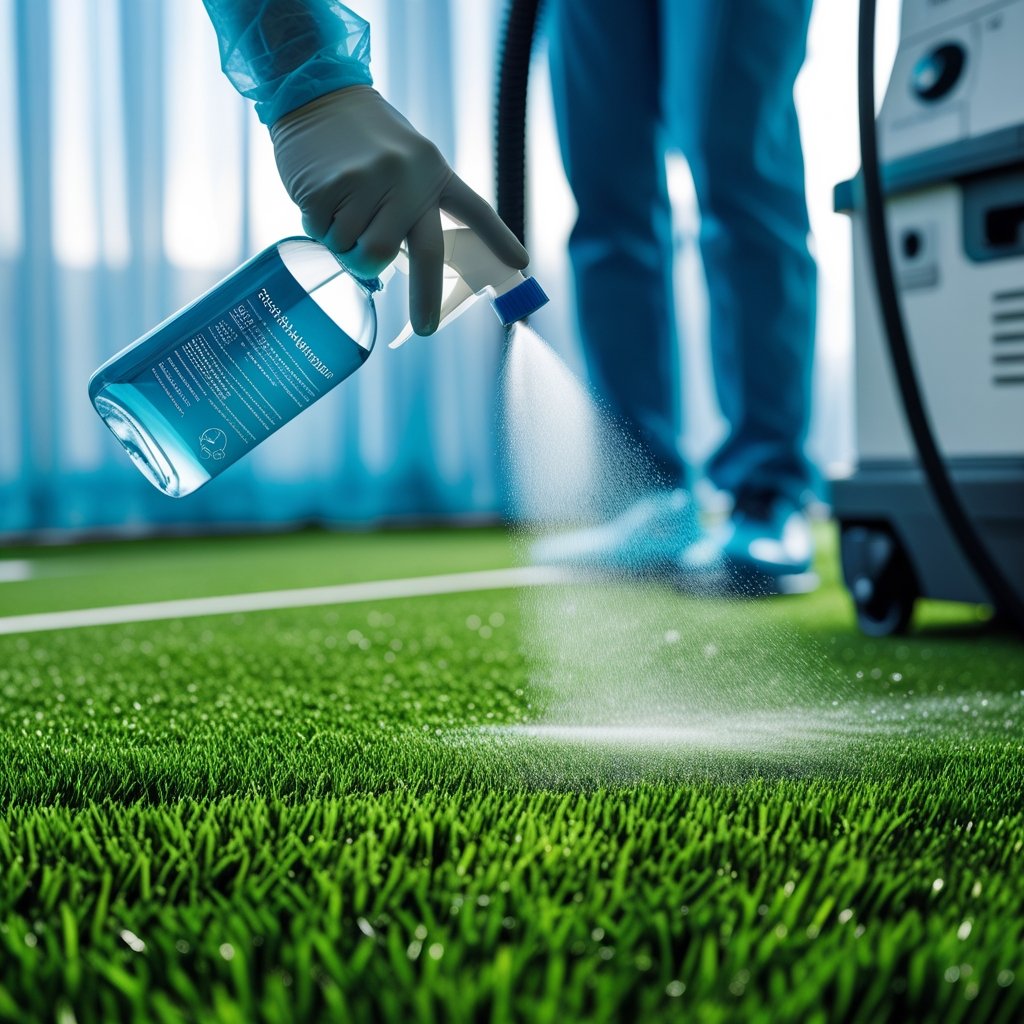
While there are DIY sanitization options available to homeowners, professional service provides a significantly more thorough and effective treatment. Professional-grade enzyme cleaners and anti-microbial products are stronger and more targeted than consumer products, yet they are still formulated to be safe for families and pets. Professional equipment delivers these products deeper into the infill, reaching contamination that surface-applied DIY solutions cannot access.
DIY maintenance between professional visits is still valuable and recommended. Regular rinsing, prompt pet waste removal, and periodic application of consumer-grade turf sanitizers help maintain lower bacterial levels between professional treatments. Think of it as brushing your teeth daily (DIY maintenance) and visiting the dentist regularly (professional service). Both are important, and neither fully replaces the other.
San Diego Climate Factors
San Diego's climate creates specific sanitization considerations that differ from other regions. Our warm temperatures year-round mean bacteria can multiply rapidly in any season, not just summer. The dry climate reduces mold risk during most of the year but concentrates mold-favorable conditions into the shorter rainy season. Coastal moisture from the marine layer adds a unique factor for properties near the ocean, where turf may stay damp longer in the morning.
Our extended outdoor living season also means turf sees more year-round use than in regions with cold winters. This consistent use means consistent contamination, which requires consistent sanitization. Turf Cleaning SD designs sanitization schedules specifically for San Diego conditions, accounting for seasonal variations, property location, and household-specific factors. Contact us to create a customized sanitization plan that keeps your turf healthy and fresh all year long.