How to Restore Flattened Artificial Turf Fibers
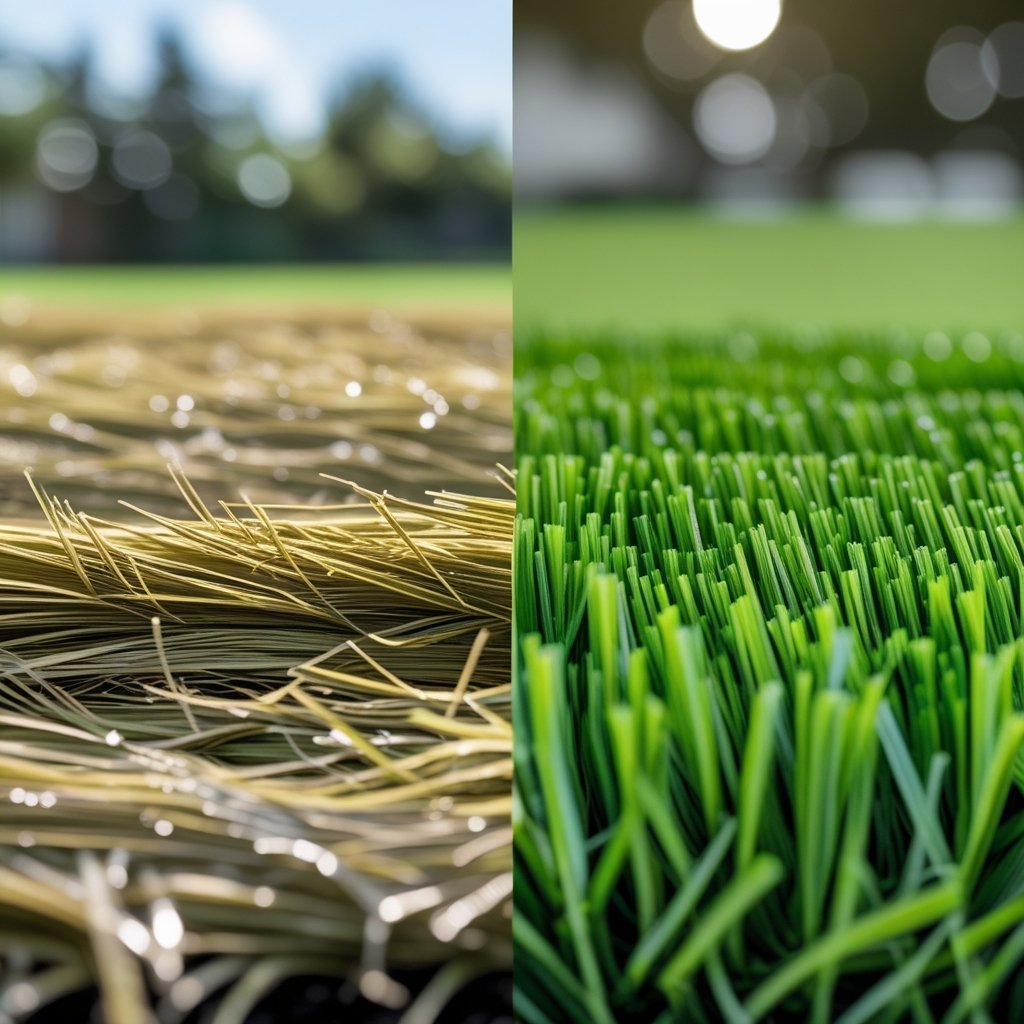
Over time, even the highest-quality artificial turf can develop areas where the fibers lie flat instead of standing upright. This matting effect makes your synthetic lawn look worn, patchy, and far older than it actually is. The good news is that flattened fibers can often be restored to their original upright position with the right techniques and regular maintenance. Here is what every San Diego homeowner needs to know about fiber restoration.
Why Turf Fibers Flatten
Several factors contribute to fiber matting on artificial turf. The most common cause is heavy foot traffic. Areas near doors, along walkways, and around outdoor furniture receive concentrated use that gradually presses fibers down. Over months and years, this repeated compression trains the fibers to stay in a flat position.
Heavy objects left in one place are another major culprit. Patio furniture, planters, outdoor storage, and play equipment create persistent pressure that flattens fibers beneath them. The longer the object stays in place, the more difficult it becomes to restore the fibers underneath.
Pet activity, particularly dogs running repeated paths across the yard, creates visible wear patterns. Infill displacement from digging or energetic play compounds the problem by removing the support structure that helps fibers stay upright.
San Diego's intense sun exposure also plays a role. UV radiation gradually reduces fiber flexibility over time, making fibers less resilient and slower to bounce back from compression. High temperatures can soften certain fiber types, making them more susceptible to permanent matting when weight is applied during the hottest part of the day.
Professional Restoration Techniques
Professional turf restoration begins with a thorough assessment of the affected areas. Technicians evaluate the severity of matting, the condition of the infill, and the overall health of the turf system to determine the best approach.
Power brushing is the primary restoration tool. Professional-grade power brushers use counter-rotating nylon bristles to lift individual fibers from their matted position. Multiple passes in different directions ensure fibers are lifted from every angle. The machine is calibrated to work at the proper depth for your specific turf type, avoiding damage to the backing while maximizing fiber lift.
Infill redistribution is performed alongside power brushing. As fibers flatten, infill often migrates away from high-traffic zones and accumulates in low-use areas. Technicians redistribute infill to create uniform coverage, which provides the structural support fibers need to maintain their upright position. In many cases, additional infill is added to areas where levels have dropped below optimal.
For severely matted areas, a cross-brushing technique is used. This involves making passes in a grid pattern, north to south and then east to west, followed by diagonal passes. This aggressive approach is most effective for fibers that have been compressed for extended periods.
What You Can Do Between Professional Visits
Regular light brushing with a stiff nylon-bristle broom helps maintain fiber position between professional services. Brush against the grain of the fibers using firm, short strokes. Focus on high-traffic areas that show the earliest signs of matting. Do this weekly or biweekly for best results.
Rearranging outdoor furniture periodically prevents permanent compression marks. Moving chairs, tables, and planters even a few inches every couple of weeks distributes the weight across a wider area and gives compressed fibers time to recover.
Prevention Tips
Use furniture pads or coasters under the legs of outdoor furniture to distribute weight more broadly. Create designated pathways using stepping stones or pavers for the most heavily traveled routes across your turf. Rotate play equipment and dog agility obstacles to different positions regularly. Keep infill levels topped off, because properly supported fibers resist matting far better than unsupported ones.
Schedule professional power brushing every three to four months, or more frequently if your turf sees heavy use. Consistent maintenance prevents minor matting from becoming a major restoration project. With proper care, your San Diego artificial turf can maintain its fresh, lush appearance for many years.