Puppy Training on Artificial Turf in San Diego
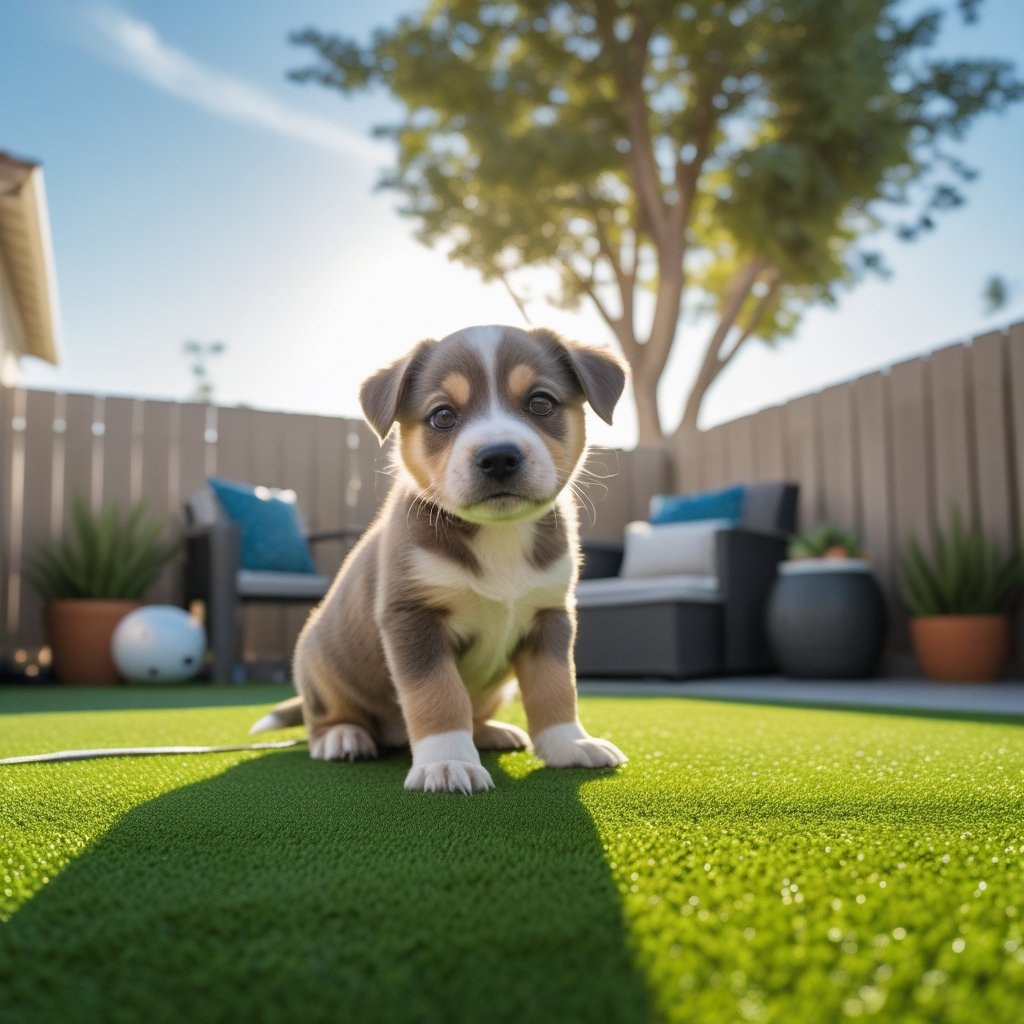
Bringing a new puppy home is an exciting time, and if you have artificial turf in your San Diego yard, you have an excellent surface for outdoor training. Synthetic grass is durable, easy to clean, and provides a consistent surface that puppies can learn to associate with appropriate outdoor behavior. However, the training phase is also the period when your turf is most vulnerable to odor buildup if cleaning routines are not established from the start. Here is how to train your puppy effectively while protecting your turf investment.
Training Tips for Puppies on Turf
Puppies thrive on consistency, and artificial turf provides a reliably available outdoor surface that is not affected by weather or season. Take your puppy to the turf at regular intervals, including immediately after waking, after meals, after play sessions, and before bedtime. Young puppies need to go outside every one to two hours during the day.
Use positive reinforcement when your puppy eliminates on the turf. Praise, treats, and a consistent verbal cue help your puppy understand that the turf is the appropriate place for this behavior. Avoid punishment for accidents, which only creates anxiety and confusion.
Puppies are attracted to surfaces they have used before. Once your puppy begins using the turf regularly, the residual scent naturally reinforces the habit. This is one case where a tiny amount of urine scent on the turf actually works in your favor during training. Just be careful not to let it accumulate beyond training purposes.
Designated Areas
If your turf area is large, consider designating a specific zone for your puppy's bathroom needs. This concentrates waste in a manageable area that can receive more intensive cleaning, while keeping the rest of your lawn cleaner for family use. You can create a designated zone by consistently bringing your puppy to the same spot and rewarding elimination there.
Some San Diego homeowners install a small section of different turf material or a slightly raised platform in the designated zone. This gives the puppy a distinct surface to associate with bathroom behavior and makes the area easy to identify for targeted cleaning.
Cleaning During the Training Phase
The training phase is messy by nature. Puppies have small bladders, imperfect control, and accidents are part of the learning process. During this period, increase your cleaning frequency significantly compared to what an adult dog requires.
Pick up solid waste immediately every time. Rinse urine spots with a garden hose within an hour if possible. Apply a consumer-grade enzyme cleaner to the designated bathroom area daily during the first few months of training. This aggressive cleaning schedule prevents uric acid crystal accumulation during the high-volume training phase.
Consider scheduling professional enzyme treatments monthly during the first six months of having a new puppy. This investment prevents the deep odor buildup that can develop quickly when a puppy is using the turf eight to twelve times daily.
Products to Use
Choose cleaning products that are safe for puppies, whose immune systems are still developing. Enzyme-based cleaners are the safest and most effective option because they contain no harsh chemicals. Avoid bleach, ammonia-based cleaners, and products with strong fragrances that could irritate a puppy's sensitive respiratory system or discourage them from using the turf.
For daily spot cleaning, a simple solution of water with a small amount of enzyme cleaner in a spray bottle is all you need. For weekly maintenance rinsing, plain water from the garden hose is sufficient. Save the more concentrated professional products for scheduled deep cleaning visits.
Transitioning from Indoor Pads
Many San Diego puppy owners start with indoor pee pads and transition to outdoor turf. To make this transition smooth, place a pee pad on the turf surface in your designated area. As your puppy uses the pad on the turf, they begin associating the outdoor location with bathroom behavior. Gradually reduce the pad size over a week or two until you remove it entirely, by which point the puppy has learned to use the turf surface directly.
Some puppy pad products are designed specifically for use on artificial turf and have a grass-like texture on top. These transitional products can make the shift from indoor to outdoor even more seamless. Be patient with the process, as every puppy learns at a different pace. With consistent training and diligent cleaning, your puppy and your artificial turf will coexist beautifully.