MRSA Risks on Artificial Turf and How to Prevent Them
MRSA, or methicillin-resistant Staphylococcus aureus, is a type of staph bacteria that has developed resistance to many common antibiotics. It has gained significant attention in the sports world due to outbreaks linked to athletic playing fields, including those with artificial turf surfaces. While MRSA risk on residential turf is generally lower than on heavily used athletic fields, understanding the connection between MRSA and synthetic surfaces helps San Diego homeowners take appropriate precautions, especially if their turf is used for sports or athletic training.
Understanding MRSA on Athletic Turf
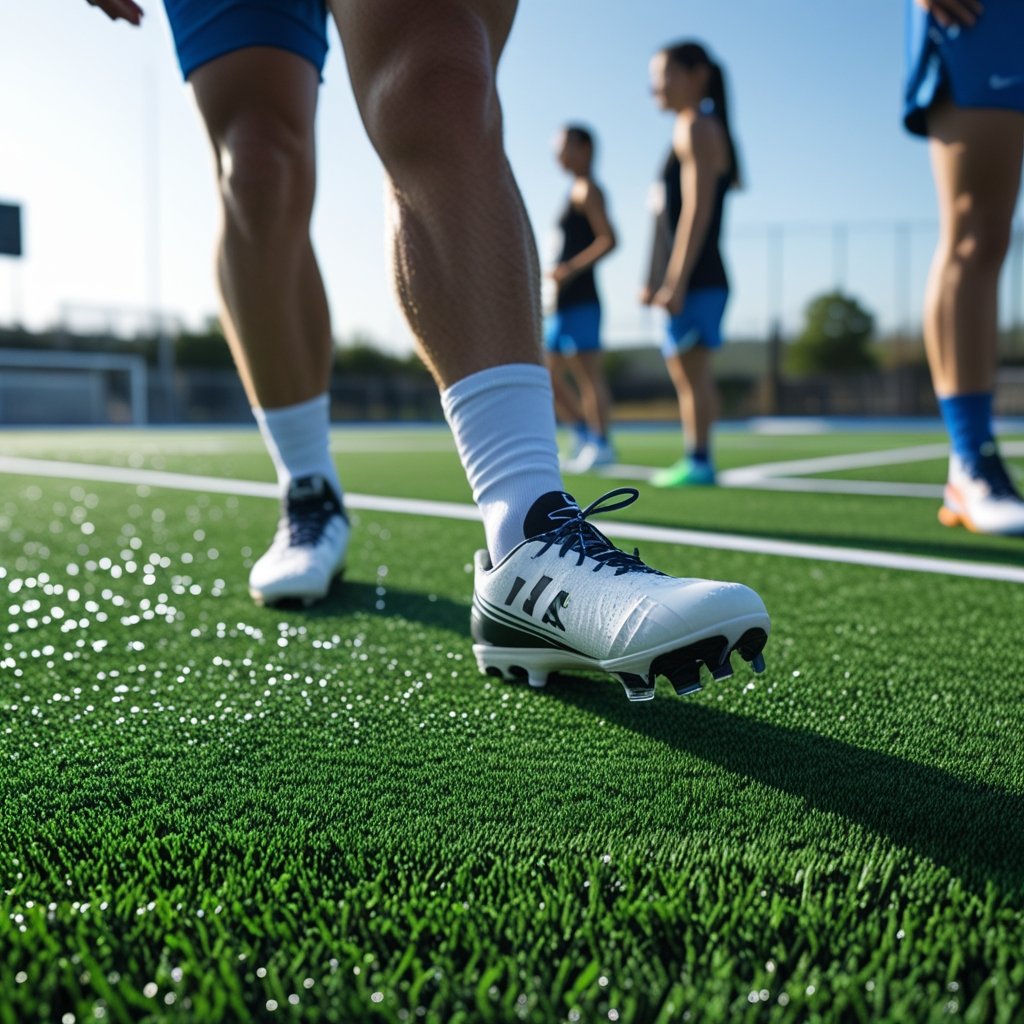
MRSA spreads primarily through skin-to-skin contact and contact with contaminated surfaces. Athletic turf presents a risk because athletes frequently experience skin abrasions from sliding, diving, and friction with the turf surface. These small breaks in the skin provide an entry point for MRSA bacteria that may be present on the surface. The combination of close physical contact between players, shared surfaces, and frequent skin abrasions creates conditions where MRSA can spread effectively.
Studies have found that MRSA can survive on artificial turf surfaces for days or even weeks under the right conditions. The bacteria lodge in the infill and on turf fibers, where they can be transferred to the skin of anyone who comes into contact with the surface. Warm, moist conditions accelerate bacterial survival and reproduction, making San Diego's climate a relevant factor for turf used in athletic activities.
Risk Factors for Residential Turf
For typical residential use, the MRSA risk on artificial turf is relatively low compared to heavily used athletic fields. However, certain situations elevate the risk. If your turf is used for backyard sports, training, wrestling, or other athletic activities that involve skin-to-surface contact and potential abrasions, the risk increases. Multi-family use, such as neighborhood sports events or training sessions with multiple participants, also raises the risk by introducing more potential carriers to the surface.
Children who play contact sports on residential turf are a particular concern. Their active play style, frequent falls, and tendency to acquire scrapes and cuts create the skin breaks that MRSA needs to establish infection. Families with children who participate in football, soccer, wrestling, or other contact sports should pay extra attention to turf sanitization, especially during sports seasons when their children are most likely to have both skin abrasions and turf contact.
Prevention Through Proper Cleaning
The most effective way to prevent MRSA on artificial turf is maintaining a consistently clean and sanitized surface. Regular professional sanitization using anti-microbial products reduces bacterial populations on the turf to levels where the risk of infection is minimal. This is especially important after the turf has been used for athletic activities involving multiple people.
Between professional services, maintain a routine of rinsing the turf after heavy athletic use, promptly cleaning any blood or bodily fluid spills, and keeping the surface free of organic debris that supports bacterial growth. If someone with a known MRSA infection has used the turf, schedule an immediate professional sanitization before allowing others to use the surface.
Sanitization Requirements for Sports Use
If your residential turf is regularly used for athletic training or sports, your sanitization requirements are higher than standard residential maintenance. The surface should be professionally sanitized at least monthly during active sports seasons, with additional treatments after large group activities. Products used should specifically target Staphylococcus bacteria and carry EPA registration for effectiveness against drug-resistant organisms.
Personal hygiene practices complement surface sanitization. Athletes should shower promptly after using the turf, keep all cuts and abrasions covered with bandages during play, avoid sharing towels or personal items, and avoid using the turf if they have open wounds or active skin infections. These individual precautions, combined with proper turf maintenance, create a layered defense against MRSA transmission.
Professional Treatment for MRSA Prevention
Professional turf cleaning services that address MRSA risk use hospital-grade anti-microbial products capable of killing drug-resistant bacteria. These products are applied to both the turf surface and deep into the infill layer, ensuring comprehensive treatment of all areas where bacteria can reside. The residual protection provided by these treatments continues to suppress bacterial growth between service visits.
At Turf Cleaning SD, we offer specialized sanitization packages for athletic-use turf that specifically target MRSA and other drug-resistant organisms. Our approach combines thorough mechanical cleaning, enzyme treatment, and professional-grade anti-microbial application to create the cleanest possible playing surface. For San Diego families whose turf serves double duty as a sports training area, investing in this higher level of sanitization provides meaningful protection against a serious health threat. Contact us to discuss an athletic-use maintenance plan tailored to your family's specific needs.