Mold Prevention on Artificial Turf
Mold is one of the most common concerns among artificial turf owners, and for good reason. While synthetic turf does not support plant growth, it can provide a surface where mold and mildew thrive under certain conditions. In San Diego, our combination of coastal moisture, occasional heavy rains, and warm temperatures creates periodic conditions that favor mold development. The good news is that mold on artificial turf is both preventable and treatable with the right approach.
Conditions That Cause Mold Growth
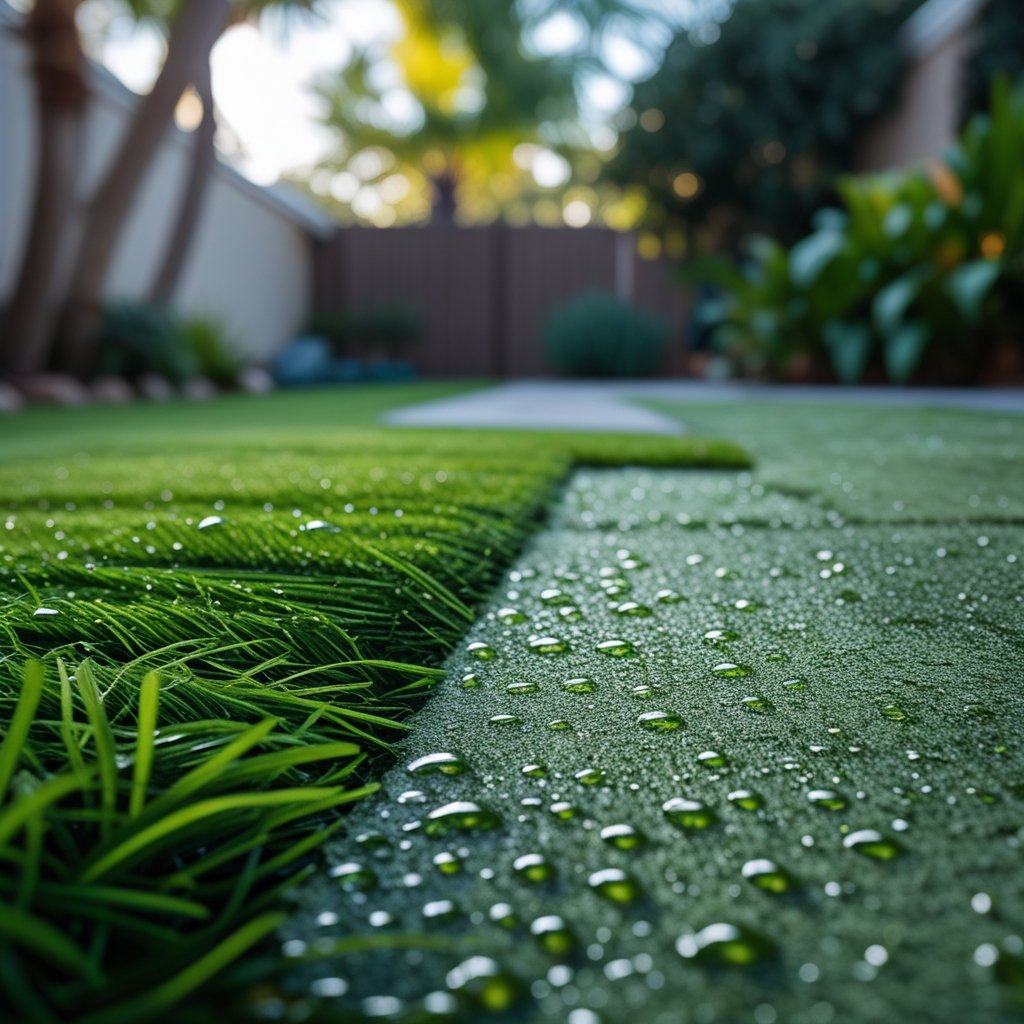
Mold requires three things to grow: moisture, warmth, and organic matter. On artificial turf, these conditions converge when the surface stays damp for extended periods, particularly in areas that receive limited sunlight. Shaded zones under trees, along fences, beneath overhangs, and on north-facing slopes are the most common locations for mold development. Organic debris like leaves, pet waste, food scraps, and accumulated pollen provide the food source that mold needs to establish itself.
Poor drainage dramatically increases mold risk. When water cannot move through the turf and infill efficiently, it creates a persistently damp environment that is ideal for mold colonization. Compacted infill, clogged drainage holes, and inadequate base material can all contribute to moisture retention that promotes mold growth.
San Diego's Mold Risk Factors
San Diego's climate presents a unique mold risk profile for artificial turf. During the dry summer months, mold risk is generally low because the turf stays dry and receives abundant sunlight. However, the transition to the rainy season in late fall and winter creates conditions where mold can become a problem quickly. Coastal neighborhoods experience additional moisture from marine layer fog, which can keep turf surfaces damp well into the morning.
Properties near the coast or in canyon areas with limited air circulation face higher mold risk than inland locations with drier air and more sun exposure. Homes with significant tree canopy or structures that shade the turf for most of the day also see increased mold development during the wetter months. Understanding your property's specific risk factors helps you target prevention efforts where they are most needed.
Prevention Strategies
The most effective mold prevention strategy is maintaining good drainage. Have your infill checked regularly for compaction and top off any thin areas that might impede water movement. Keep drainage outlets and French drains clear of debris. Ensure that landscape grading directs water away from the turf rather than allowing it to pool on or flow across the surface.
Reducing organic debris on the turf surface removes the food source that mold needs. Keep leaves, pet waste, and food scraps cleaned up promptly. Trim overhanging branches to improve sunlight exposure and air circulation. These simple steps significantly reduce the conditions that allow mold to take hold. During the rainy season, inspect shaded and low-lying areas of your turf weekly for early signs of mold development.
Treatment Options
If you discover mold on your artificial turf, early treatment is important to prevent it from spreading. For small areas of surface mold, a solution of one part white vinegar to one part water can be effective. Spray the affected area thoroughly, let it sit for 30 minutes, then rinse with clean water. For larger or more established mold growth, a commercial turf anti-fungal product will provide stronger treatment.
Avoid using bleach on artificial turf, as it can damage the fibers and discolor the surface. Similarly, pressure washers should not be used for mold removal, as the high pressure can damage the turf and spread mold spores to unaffected areas. If mold has spread to a significant portion of your turf or has penetrated deep into the infill, professional treatment is the safest and most effective option.
Signs of Mold Growth
Early detection makes mold treatment much easier and more effective. Look for discolored patches on your turf, particularly dark green, black, or white fuzzy areas. A musty or earthy smell in specific zones is another common indicator. The turf may feel slimy or unusually damp in affected areas, even when surrounding sections are dry. You might also notice that the infill in certain spots has developed a different texture or color.
If you suspect mold but are not certain, a professional inspection can provide a definitive answer. At Turf Cleaning SD, we include mold assessment as part of our regular cleaning visits, catching early growth before it becomes a larger problem. For properties with known mold risk factors, we can apply preventive anti-microbial treatments that inhibit mold growth for several weeks, providing ongoing protection between cleanings.