Kennel Turf Maintenance: A Complete Guide
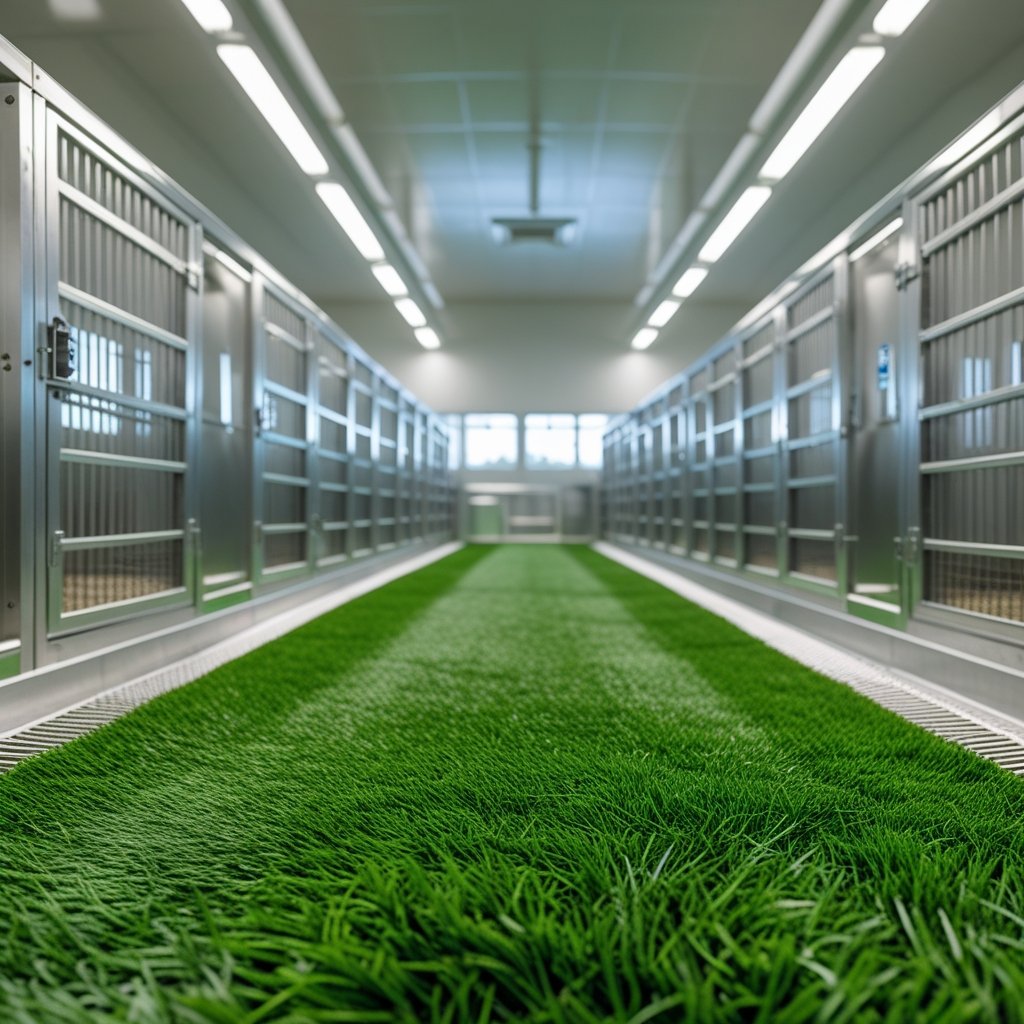
Artificial turf has become a standard surface in kennel facilities throughout San Diego. Its durability, drainage capability, and ease of cleaning make it ideal for individual kennel runs and group exercise areas. However, kennel turf operates under the most demanding conditions possible for synthetic grass, with concentrated animal waste in confined spaces. Proper maintenance is essential to keeping the surface sanitary, odor-free, and functional for the animals in your care.
Kennel-Specific Challenges
Kennel runs present unique challenges that differ from open yard installations. The confined space means all waste is concentrated in a small area. A single dog in a four-by-eight-foot kennel run deposits all of its daily urine and feces on just 32 square feet of turf. Multiply this across dozens of kennel runs, and the waste concentration per square foot is extraordinary compared to residential use.
Dogs in kennel environments may exhibit stress-related behaviors including excessive urination, loose stools, and pacing that creates concentrated wear patterns. Dogs that pace along the kennel perimeter wear down fibers and displace infill along the edges. Dogs that dig at the turf can damage both fibers and backing material.
Rotating occupancy means different dogs with different health statuses use the same surface. This creates biosecurity concerns that require thorough sanitization between occupants to prevent disease transmission.
Drainage Needs
Kennel turf drainage must be exceptional because of the high volume of liquid waste per square foot. Standard residential drainage specifications may not be adequate for kennel applications. The ideal kennel turf installation includes a higher-permeability backing with larger or more frequent drainage holes, a deeper aggregate base with greater water-handling capacity, positive slope toward drainage channels at the kennel perimeter, and connection to a sanitary drainage system rather than simple ground absorption.
Drainage maintenance in kennels requires more frequent attention than residential turf. Infill compaction happens faster due to the concentrated waste and daily hosing. Weekly power brushing of high-use kennel runs and biweekly brushing of lower-use runs maintains the infill permeability needed for adequate drainage.
Sanitization Requirements
Between occupants, kennel turf should receive a sanitization treatment that eliminates bacteria, viruses, and parasites. This goes beyond routine enzyme cleaning. A proper between-occupant protocol includes removal of all visible waste and debris, thorough rinsing with clean water, application of a veterinary-grade disinfectant approved for use on synthetic surfaces, adequate contact time per the disinfectant manufacturer's instructions, and a final rinse to remove disinfectant residue before the next animal enters.
Daily sanitization of all occupied kennel runs should include surface rinsing, enzyme application to urine areas, and spot disinfection of soiled zones. Full-surface disinfection at least weekly maintains a baseline level of sanitation across all runs.
Infill Selection
Kennel turf benefits from antimicrobial or zeolite infill rather than standard silica sand. The odor-absorbing and bacteria-inhibiting properties of specialty infill are most valuable in high-concentration environments like kennel runs. The higher upfront cost is offset by reduced cleaning chemical costs and better odor control between treatments.
Kennel operators should expect to replenish infill more frequently than residential installations. The combination of daily hosing, frequent enzyme treatments, and the mechanical action of dogs on the surface displaces infill faster. Monthly infill checks and quarterly replenishment maintain optimal levels.
Professional Maintenance Schedules
Kennel facilities should partner with a professional turf maintenance provider for regular deep cleaning and system assessment. A typical professional schedule for kennel turf includes weekly power brushing and enzyme treatment for active runs, monthly deep cleaning with full sanitization, quarterly infill assessment and replenishment, and semi-annual comprehensive system inspection including drainage, backing, and base condition. This professional schedule supplements the daily cleaning performed by kennel staff, ensuring that the turf system maintains its performance under demanding commercial use conditions.