Creating Germ-Free Play Areas on Artificial Turf
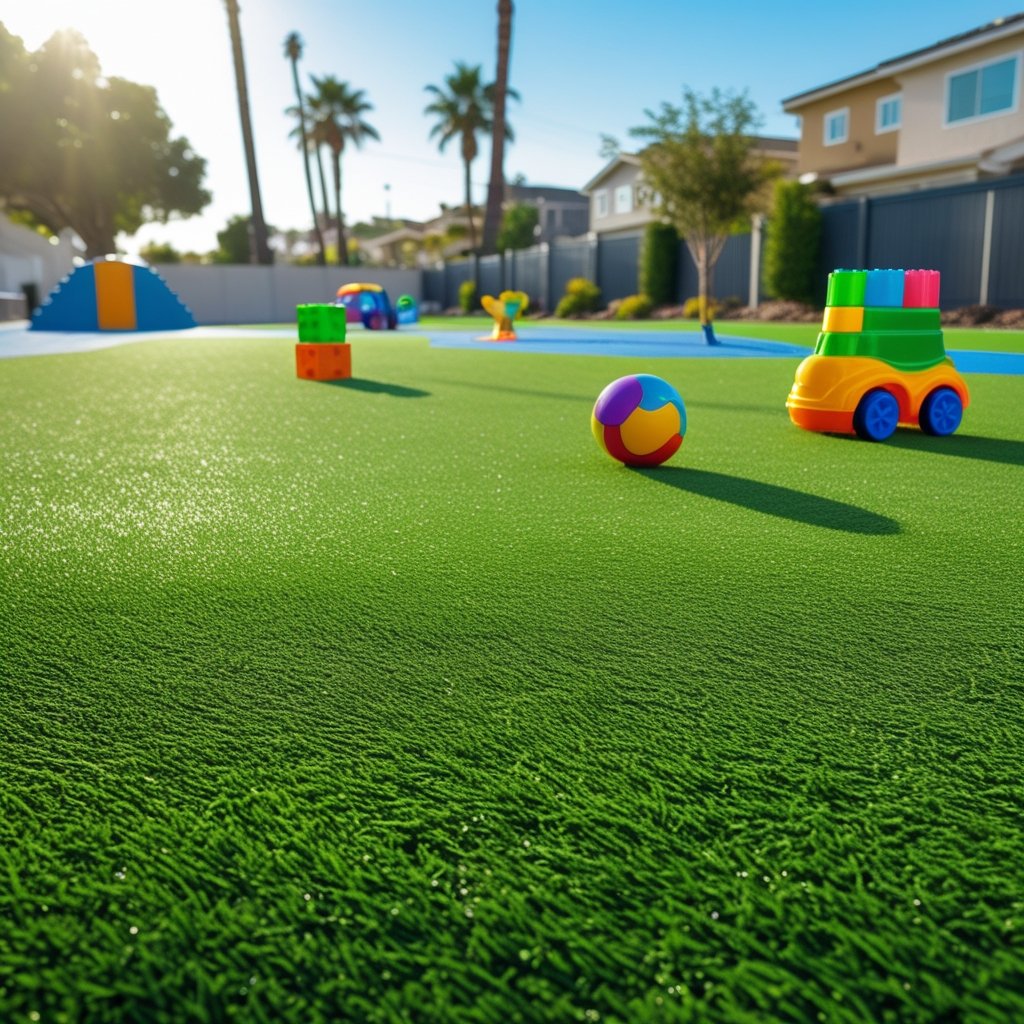
Artificial turf has become one of the most popular play surfaces for San Diego families, offering a soft, durable, and mud-free alternative to natural grass. However, any outdoor surface used by children needs regular attention to minimize germ exposure and maintain a hygienic environment. Creating a truly germ-free play area on your artificial turf involves a combination of smart design, proper products, consistent maintenance, and periodic professional service.
Understanding Germ Risks on Play Surfaces
Outdoor play surfaces, whether natural or synthetic, are exposed to a constant stream of microbial contamination. Animal waste from pets and wildlife introduces fecal bacteria. Organic debris like leaves and food scraps provides food for bacterial growth. Moisture from irrigation, rain, or dew creates conditions where bacteria and mold can multiply. Children themselves introduce germs through saliva, runny noses, and dirt from other activities.
On artificial turf specifically, the infill layer can act as a reservoir for germs if not properly maintained. Bacteria settle into the infill, where they are protected from surface rinsing and can reproduce in the warm, sometimes moist environment. This is why surface cleaning alone is not sufficient for a true germ-free play area. Effective germ control requires attention to both the surface and the infill layer beneath it.
Sanitization Methods That Work
The gold standard for sanitizing artificial turf play areas is a professional enzyme-based treatment combined with an anti-microbial application. Enzyme cleaners break down organic matter at the molecular level, eliminating the food source that bacteria need to survive. Anti-microbial treatments then kill existing bacteria and create a residual protective barrier that inhibits new bacterial growth for weeks after application.
For between-service maintenance, several effective options are available to homeowners. A diluted hydrogen peroxide solution (one part three percent hydrogen peroxide to ten parts water) provides effective surface sanitization without harmful residues. Commercial turf sanitizers designed for residential use are also widely available and formulated to be safe for children once dry. Avoid homemade concoctions involving bleach, ammonia, or other harsh chemicals, as these can damage turf and leave unsafe residues.
Establishing a Maintenance Schedule
Consistency is the key to maintaining a germ-free play area. Establish a routine that includes daily, weekly, and monthly tasks along with periodic professional service. Daily tasks include picking up visible debris, removing any pet waste immediately, and a quick visual inspection of the play zone. These take just a few minutes but prevent contaminants from accumulating.
Weekly maintenance should include a thorough rinse of the play area with clean water and a light brushing to keep fibers upright and infill distributed. Monthly tasks include a more detailed sanitization using a child-safe turf product, checking infill levels, and inspecting for any damage or wear that could harbor germs. This layered approach ensures that germs never have the opportunity to build up to concerning levels.
Choosing the Right Products
Product selection is crucial when maintaining a play area for children. Look for products that carry EPA registration numbers, which means they have been tested and approved for effectiveness and safety. Choose products labeled as safe for children and pets, and follow dilution instructions carefully. More is not better when it comes to cleaning products, as over-concentrated solutions can leave residues and potentially damage the turf.
Natural and organic cleaning options are available for parents who prefer to minimize chemical exposure entirely. White vinegar, hydrogen peroxide, and baking soda solutions can address many common turf cleaning needs without any synthetic chemicals. However, these natural options may not be as effective against more resistant pathogens, so they work best as a supplement to periodic professional sanitization rather than a complete replacement.
Professional Service Benefits
No matter how diligent your home maintenance routine is, professional cleaning provides a level of sanitization that DIY methods cannot match. Professional equipment delivers cleaning solutions deeper into the infill layer, reaching bacteria that surface-level treatment misses. The commercial-grade products used by professionals are more effective against a broader range of pathogens while still being safe for children and pets.
For play areas, Turf Cleaning SD recommends professional sanitization at least every two to three months, with more frequent service during peak use seasons like summer. Our play area service includes a comprehensive approach that targets germs at every level of your turf system. After each service, your children can enjoy a genuinely clean and safe play surface, giving you peace of mind as a parent. Contact us to discuss a maintenance plan tailored to your family's needs and usage patterns.