Fall Leaf Cleanup for Your Artificial Turf
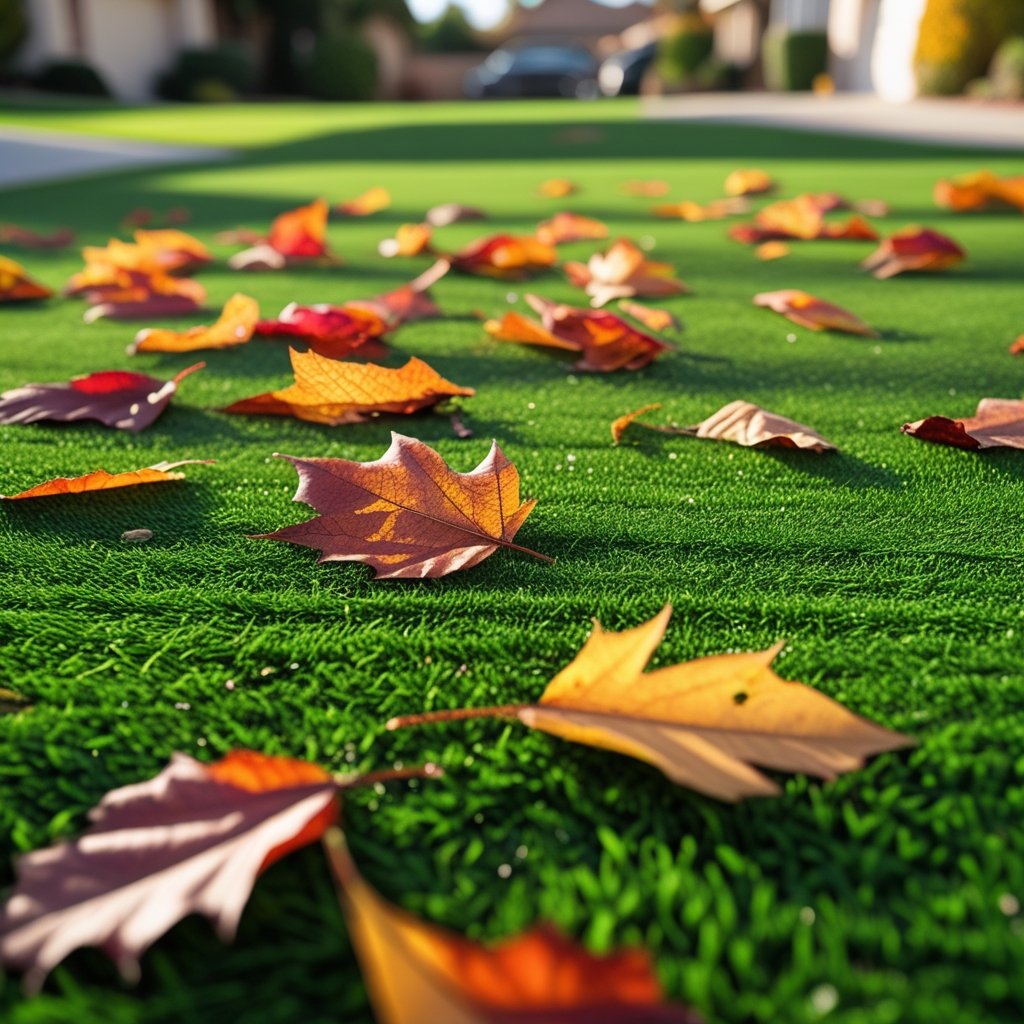
While San Diego does not experience the dramatic leaf drop of northeastern states, fall still brings its share of falling leaves, seed pods, and organic debris from local trees. For artificial turf owners, this seasonal change requires some attention to prevent buildup that can lead to drainage issues, mold growth, and an unkempt appearance. A proactive approach to fall leaf cleanup will keep your synthetic lawn in great condition heading into the cooler months.
Why Fall Cleanup Matters
Leaves and organic debris that sit on artificial turf for extended periods create several problems. As they decompose, they release tannins and organic acids that can stain turf fibers and discolor the surface. Wet leaves trapped on the turf create a damp, dark environment that encourages mold and mildew growth, especially in shaded areas. Over time, decomposing organic material can work its way into the infill, causing compaction and reducing drainage efficiency.
San Diego's fall season also brings drier conditions and occasional Santa Ana winds, which blow dust, leaves, and fine debris across properties. Even if you do not have deciduous trees on your own property, your neighbors' trees and nearby landscaping can deposit leaves and debris on your turf. Regular cleanup during fall prevents these materials from accumulating to problematic levels.
Tools for Effective Leaf Removal
The best tool for removing leaves from artificial turf is a leaf blower. It clears debris quickly without disturbing the infill or damaging the turf fibers. Set your blower to a moderate speed and work in one direction, blowing leaves toward the edge of the turf where they can be easily collected. For smaller areas, a stiff-bristle broom or a plastic leaf rake works well. Avoid metal rakes, which can tear or damage the turf fibers and backing.
For leaves that are wet or stuck to the surface, a gentle hand raking with a plastic rake is the most effective approach. Wet leaves can cling to turf fibers and resist blowing, so you may need to make a second pass after the surface dries. A combination of blowing for dry debris and raking for stubborn wet leaves gives you the best results with minimal effort.
Recommended Cleanup Frequency
During peak leaf drop in San Diego, which typically runs from late October through December, plan to clear your turf at least once or twice a week. If your property is surrounded by trees that drop heavily, you may need to clean up every few days to stay ahead of the accumulation. Properties with minimal tree cover can get by with weekly cleanup during the fall season.
The key is not to let leaves sit for more than a few days at a time. Even a thin layer of leaves can start creating problems within a week, especially if morning dew or light rain keeps them damp. Setting a regular schedule and sticking to it is much easier than dealing with a thick mat of decomposed leaves that has bonded to the turf surface.
Preventing Organic Buildup
Beyond regular leaf removal, there are steps you can take to minimize organic buildup during fall. Trim any overhanging branches that deposit leaves directly onto your turf. This reduces the volume of debris you need to manage and also improves air circulation, which helps the turf dry faster after morning dew or rain. If you have flower beds or gardens adjacent to your turf, keep them well-maintained to prevent mulch, soil, or plant debris from migrating onto the synthetic surface.
Consider scheduling a professional cleaning in early fall before the heaviest leaf drop begins. This ensures your turf starts the season with clean infill and good drainage, making it more resilient against the challenges of fall. A follow-up cleaning in late fall or early winter can address any buildup that occurred during the season.
San Diego Fall Considerations
San Diego's fall season has some unique characteristics that affect turf maintenance. The transition from dry summer to the start of the rainy season means your turf may go from bone dry to wet relatively quickly. Leaves that were harmless on dry turf can become problematic as soon as the rains arrive, trapping moisture and accelerating decomposition. Getting your leaf cleanup done before the first significant rain of the season is a smart strategy.
The Santa Ana winds that blow through San Diego in fall can also scatter infill if it is exposed or if your turf fibers are too matted to hold it in place. Keeping your turf well-groomed and your infill at the proper level before wind season adds another layer of protection. If you notice thin spots or displaced infill after a wind event, contact a professional to assess whether a top-off is needed before the winter rains arrive.