E. Coli Prevention on Artificial Turf
E. coli (Escherichia coli) is one of the most well-known bacterial threats associated with outdoor surfaces, and artificial turf is no exception. While most strains of E. coli are harmless, certain pathogenic strains can cause serious illness, particularly in young children, elderly individuals, and anyone with a compromised immune system. For San Diego homeowners with pets and families, understanding how E. coli gets on turf and how to prevent it is essential knowledge for maintaining a safe outdoor environment.
How E. Coli Gets on Artificial Turf
The primary source of E. coli on residential artificial turf is animal fecal matter. Dogs, cats, and wildlife all carry E. coli in their digestive systems and deposit it on your turf through their waste. Even if you are diligent about picking up solid pet waste, liquid residue and fecal bacteria remain on the turf surface and in the infill. Over time, these bacteria multiply and establish populations that can persist for weeks or months in favorable conditions.
Other less common sources include bird droppings, contaminated soil or mulch that washes onto the turf during rain, and even cross-contamination from shoes that have walked through contaminated areas elsewhere. In multi-pet households or properties adjacent to open spaces where wildlife is active, the rate of E. coli introduction is higher and requires more vigilant prevention measures.
Health Risks of E. Coli Exposure
Most E. coli strains found in pet waste cause no illness in healthy adults. However, pathogenic strains like E. coli O157:H7 can cause severe gastrointestinal distress, including bloody diarrhea, vomiting, and in rare cases, kidney failure. Children under five years old are the most vulnerable population. Their tendency to play close to the ground, put hands and objects in their mouths, and their developing immune systems make them particularly susceptible to E. coli infection from contaminated surfaces.
Exposure typically occurs through direct contact with contaminated turf followed by hand-to-mouth transfer. Children crawling on contaminated turf, picking up toys that have been on the surface, or eating food that has fallen on the turf are common transmission pathways. Maintaining a clean turf surface breaks this chain of transmission and dramatically reduces the risk of illness.
Prevention Methods
The single most effective prevention measure is immediate and thorough pet waste cleanup. Solid waste should be picked up as soon as possible after it is deposited. The area should then be rinsed with water to dilute and flush any remaining bacteria. For urine spots, a prompt rinse helps prevent bacterial concentration in the infill. These daily habits form the foundation of E. coli prevention on residential turf.
Establishing pet waste zones can help concentrate contamination to manageable areas. If your dog tends to use the same spots consistently, these zones can receive extra cleaning attention and more frequent professional treatment. Some homeowners install separate small pet areas with easy-to-clean surfaces, reserving the main turf area for family activities and play.
The Pet Waste Connection
Pet waste management is so central to E. coli prevention that it deserves special emphasis. Beyond daily cleanup, consider the cumulative effect of pet waste over weeks and months. Even with diligent removal of visible waste, microscopic fecal bacteria accumulate in the infill with every deposit. San Diego's warm climate accelerates bacterial multiplication, meaning that the bacterial load in your infill grows faster than it would in cooler regions.
For homes with multiple dogs, the rate of contamination is multiplied accordingly. Two dogs produce twice the waste, introducing twice the bacteria, and requiring twice the cleaning attention. Large breed dogs produce more waste per deposit than small breeds, another factor in determining your cleaning needs. Honest assessment of your pet waste management habits and your dog's behavior on the turf helps you determine the right level of preventive maintenance.
Professional Treatment Options
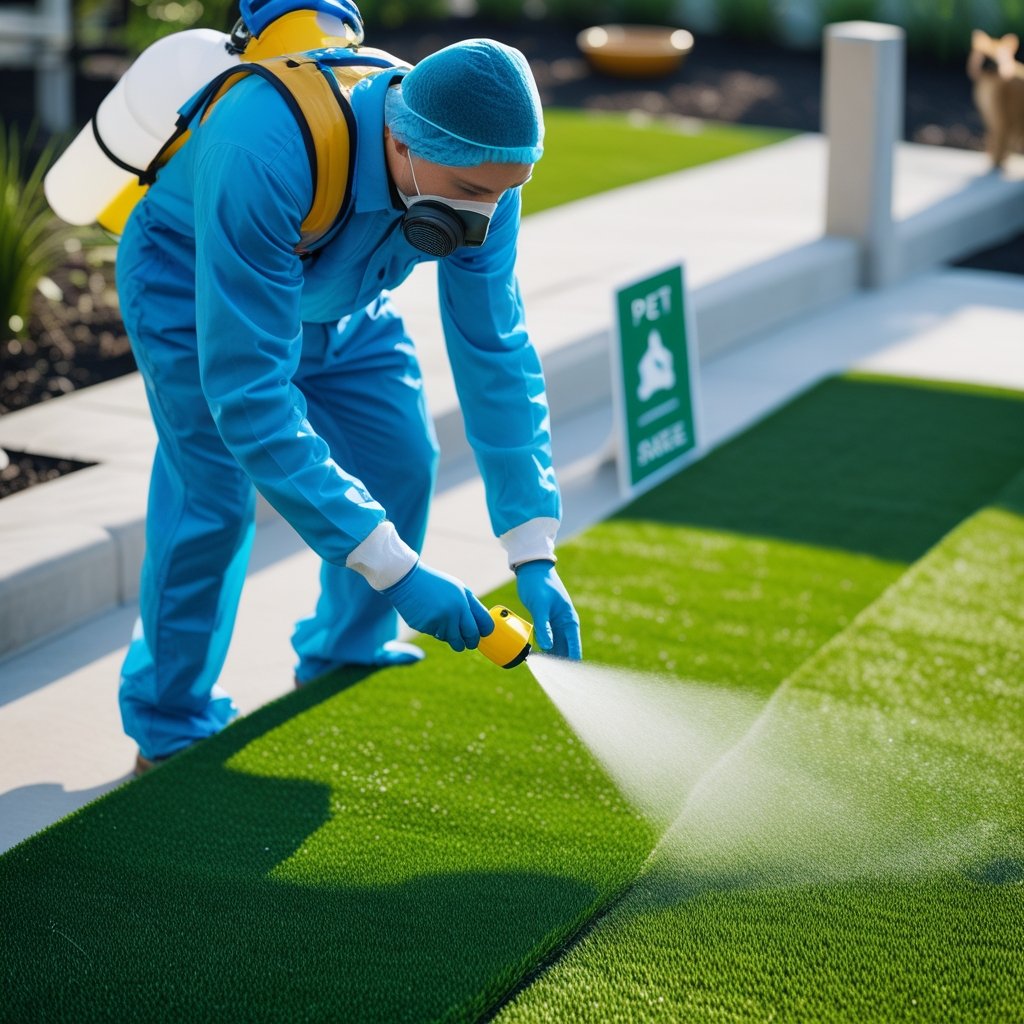
Professional enzyme treatments are the most effective tool for eliminating E. coli and other fecal bacteria from artificial turf. These treatments use specialized enzymes that break down organic waste products, including the uric acid crystals and fecal residue where bacteria thrive. By eliminating the bacteria's food source and habitat, enzyme treatments provide longer-lasting results than surface-level sanitizers alone.
For homes with pets, Turf Cleaning SD recommends professional enzyme treatment every six to eight weeks during warm months and every two to three months during cooler months. Our treatment process targets the infill layer where the highest concentration of E. coli and other fecal bacteria reside, providing thorough decontamination that homeowner-level products cannot achieve. If you have concerns about bacterial contamination on your turf, a professional assessment can evaluate your current bacterial levels and recommend an appropriate treatment schedule to keep your family safe.