Coastal Turf Challenges in San Diego
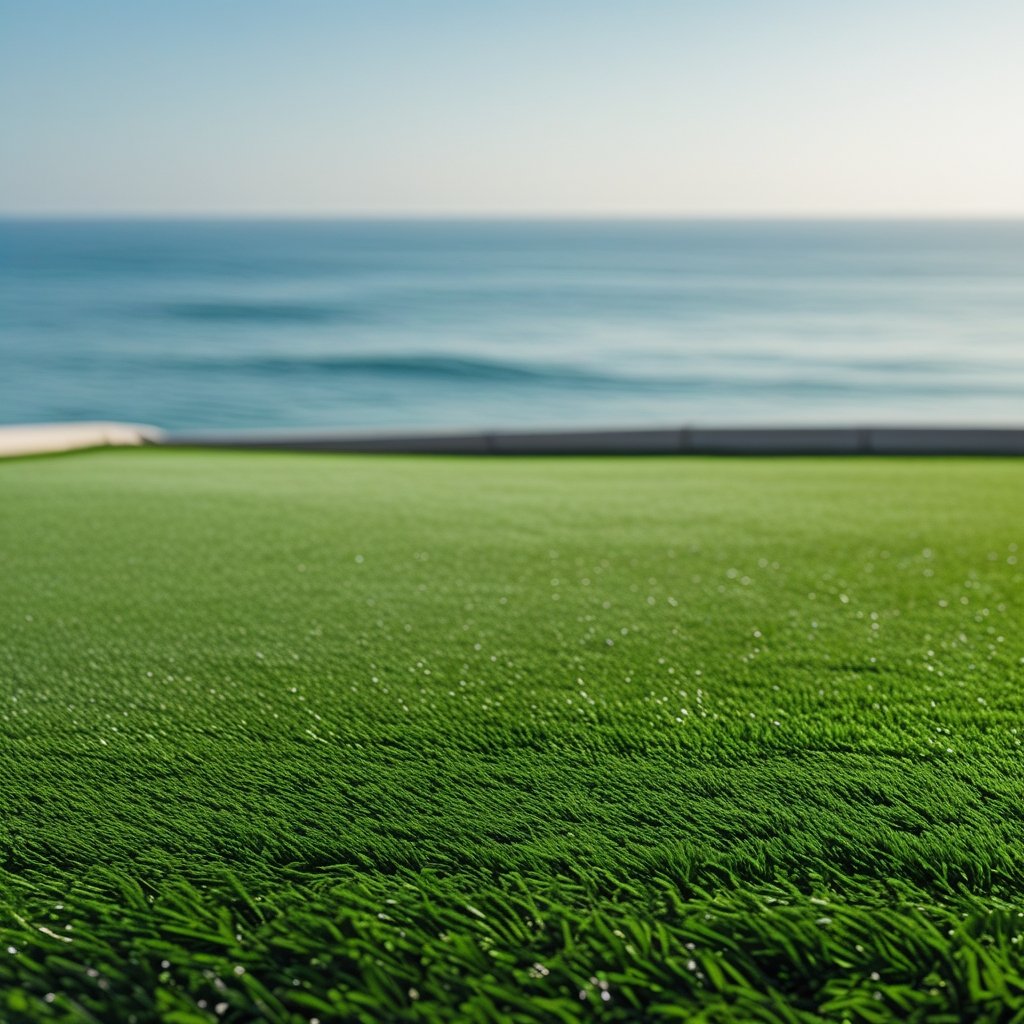
Living near the coast in San Diego means enjoying ocean breezes, stunning sunsets, and a relaxed coastal lifestyle. But for artificial turf owners in communities like La Jolla, Pacific Beach, Ocean Beach, and Coronado, the ocean proximity also brings unique maintenance challenges. Salt air, marine layer moisture, sand accumulation, and increased mold risk all require specific attention to keep coastal turf looking and performing its best.
Salt Air Effects on Artificial Turf
Salt-laden ocean air is a constant presence in coastal San Diego neighborhoods. While artificial turf is more resistant to salt than many natural materials, prolonged exposure to salt deposits can affect both the appearance and longevity of synthetic turf. Salt crystals that settle on turf fibers can create a dull, whitish haze that diminishes the natural green appearance. Over time, salt can also accelerate the degradation of certain turf fiber materials if not regularly removed.
The infill in your turf can also be affected by salt accumulation. As salt dissolves in moisture and filters through the infill, it can alter the infill's drainage characteristics and contribute to compaction. Regular rinsing with fresh water helps flush salt from the turf surface and infill, preventing these long-term effects.
Marine Layer Moisture
San Diego's famous marine layer brings moisture-laden fog that rolls in from the ocean, particularly during the late spring and early summer months known locally as "May Gray" and "June Gloom." For coastal turf, this regular moisture creates conditions that are quite different from the dry inland climate. The persistent dampness encourages biological growth that dry turf rarely experiences.
Marine layer moisture means coastal turf stays damp for longer periods, creating an environment where algae, mold, and mildew can establish themselves. The moisture also slows the evaporation of pet urine and organic residues, allowing odor-causing bacteria to thrive. Coastal turf owners often notice that odor issues develop more quickly and intensely than their inland counterparts experience.
Sand Accumulation
Sand is an unavoidable reality of coastal living in San Diego. Ocean breezes carry fine sand particles that settle on all outdoor surfaces, including your artificial turf. While a small amount of sand is harmless and may even supplement the existing infill, excessive sand accumulation can cause problems. Thick sand deposits can smother turf fibers, clog drainage, and create an uneven, gritty surface that is unpleasant underfoot.
Regular maintenance to manage sand buildup is essential for coastal properties. Light brushing after windy days helps prevent sand from settling deep into the infill. Professional cleaning visits should include sand management as part of the service scope, ensuring that accumulation is controlled without disrupting the underlying infill system.
Higher Mold Risk
The combination of moisture from the marine layer, organic debris from coastal vegetation, and warm temperatures creates a higher-than-average mold risk for coastal turf. Mold growth appears as dark spots or patches on the turf surface and can produce musty odors, discoloration, and in severe cases, health concerns for family members with respiratory sensitivities.
Preventing mold on coastal turf requires proactive maintenance. Regular professional cleaning with antimicrobial treatments keeps mold spores from establishing colonies. Ensuring good air circulation by keeping turf areas clear of stacked items or dense vegetation helps the surface dry more quickly after marine layer events. Prompt removal of organic debris like leaves and grass clippings eliminates the food source that mold needs to grow.
Coastal-Specific Maintenance Needs
For coastal San Diego homeowners, we recommend a more frequent professional cleaning schedule than inland properties. Bimonthly service rather than quarterly provides the regular attention needed to manage salt, moisture, sand, and biological growth. Between professional visits, weekly rinsing with fresh water helps flush salt and prevent buildup.
When choosing a turf cleaning provider for your coastal property, look for one that understands the specific challenges of oceanfront and near-coastal environments. Generic turf cleaning approaches that work well inland may not adequately address the additional stresses that coastal conditions place on artificial turf. At Turf Cleaning SD, we adjust our approach for coastal properties to ensure your turf receives the specialized care it needs to thrive in San Diego's beautiful but demanding coastal environment.