Child-Safe Artificial Turf Cleaning Practices
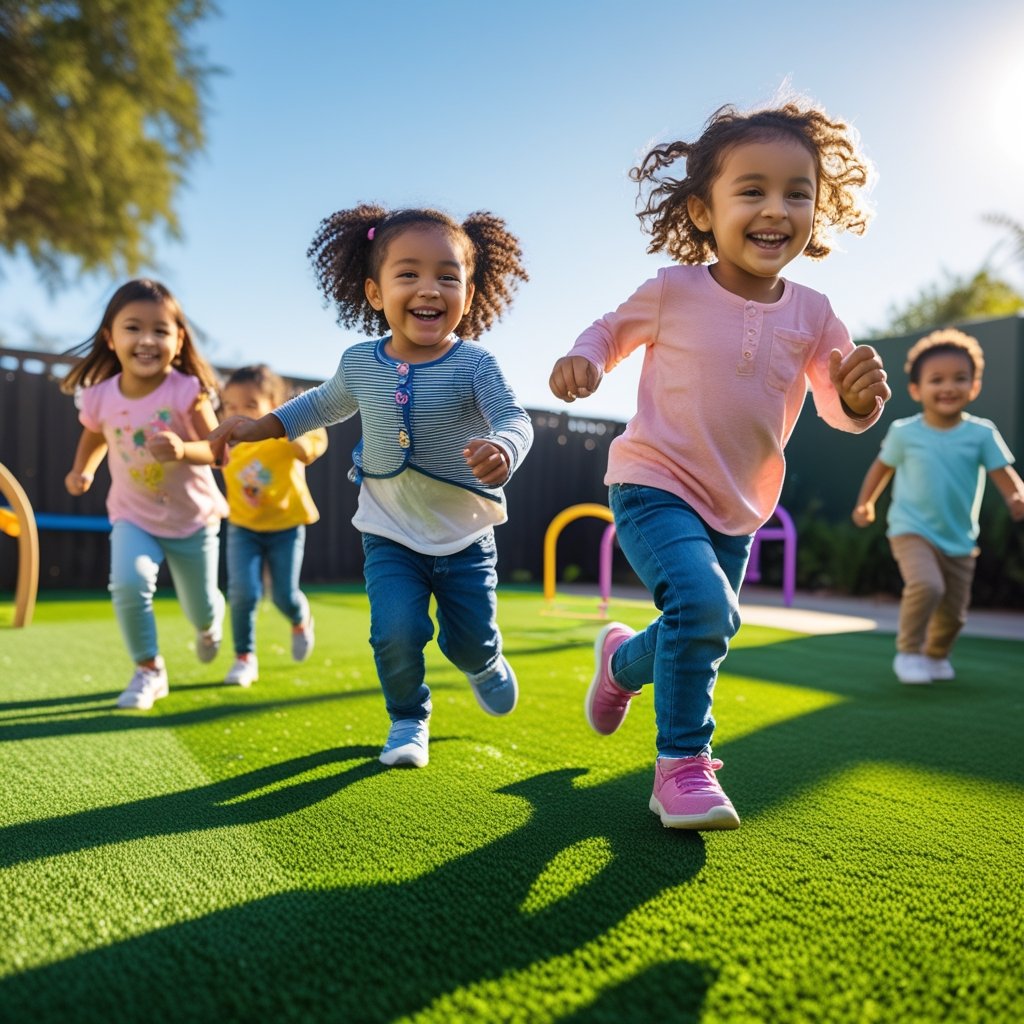
For San Diego families with young children, artificial turf serves as a primary play surface for a large portion of the year. Kids roll on it, crawl on it, sit on it, and inevitably put their hands in their mouths after touching it. This close contact makes the cleanliness of your turf directly relevant to your children's health. Adopting child-safe cleaning practices ensures your synthetic lawn remains a healthy and enjoyable play space for your little ones.
Why Child Safety Matters for Turf Cleaning
Children interact with turf differently than adults. They are physically closer to the surface, spend more time in direct contact with the fibers and infill, and are more likely to ingest contaminants through hand-to-mouth behavior. Their developing immune systems are also more susceptible to the bacteria, allergens, and pathogens that can accumulate on poorly maintained turf. This combination of higher exposure and greater vulnerability means that turf cleanliness is not just an aesthetic concern for families with children, it is a health priority.
Additionally, children have more sensitive skin than adults. Chemical residues from harsh cleaning products can cause irritation, rashes, and allergic reactions on young skin. This is why choosing the right cleaning products is just as important as the cleaning itself. The wrong product can create a new problem while solving the old one.
Safe Cleaning Products
When cleaning artificial turf in a home with children, product selection is critical. Always use cleaners that are specifically formulated for synthetic turf and labeled as safe for children and pets. Enzyme-based cleaners are an excellent choice because they use natural biological processes to break down organic contaminants without leaving harmful chemical residues.
Avoid chlorine bleach, ammonia-based cleaners, and harsh chemical disinfectants on artificial turf. While these products are effective germ killers, they can damage turf fibers, discolor the surface, and leave residues that are unsafe for children who play on the surface. For general cleaning between professional visits, a mild dish soap solution diluted in water is a safe and effective option for spot cleaning. Natural solutions like diluted white vinegar work well for light sanitization without any chemical concerns.
Sanitization Frequency for Play Areas
How often you should sanitize your turf depends on how intensively your children use it and whether you also have pets. For homes with children who play on the turf daily, professional sanitization every two to three months is a solid baseline. If pets also use the same turf area, increase the frequency to every six to eight weeks. During summer months when outdoor play is at its peak and bacteria multiply faster, more frequent sanitization provides extra protection.
Between professional visits, a weekly rinse of the main play area with clean water helps keep surface contaminants in check. If your children have been sick, a prompt sanitization of the turf play area reduces the risk of reinfection from bacteria or viruses that may have been deposited on the surface. This does not need to be a full professional service; a thorough application of a child-safe turf sanitizer followed by rinsing is sufficient for these situations.
Maintaining Play Areas
Designating a specific play zone on your turf and giving it extra maintenance attention is a practical approach for busy families. Keep this area free of pet waste at all times, as pet-related bacteria are the most common contaminants on residential turf. Sweep or blow debris from the play zone daily, and address any food or drink spills immediately rather than leaving them for later cleanup.
Check the infill in the play area regularly. Children's active play can displace infill faster than normal adult foot traffic. Adequate infill provides important cushioning that protects children during falls and tumbles. If you notice the play area feels harder than the surrounding turf, the infill may need a top-off. Proper infill levels also help the turf drain effectively, preventing puddles that children might play in, which can concentrate contaminants.
Professional Standards for Family Homes
When choosing a professional turf cleaning service for a home with children, ask about the products they use and whether they are rated safe for children. Reputable companies like Turf Cleaning SD use EPA-registered products that are certified safe for children and pets once dry. Ask about their sanitization process and whether they offer child-focused cleaning packages that include extra attention to play areas.
After a professional cleaning, keep children off the turf until it is completely dry, which typically takes two to four hours depending on weather conditions. Once dry, the surface is safe for immediate use. A good professional service will advise you on dry times and any precautions specific to the products they used. Investing in regular professional cleaning is one of the most effective things San Diego parents can do to ensure their children's outdoor play environment is as safe and healthy as possible.