How to Brush Your Artificial Turf the Right Way
Brushing is one of the most beneficial maintenance tasks you can perform for your artificial turf, yet it is also one of the most commonly done incorrectly. The right brushing technique keeps your turf fibers standing tall, distributes infill evenly, and maintains the lush, natural appearance that attracted you to synthetic turf in the first place. The wrong approach, using the wrong tools or technique, can actually damage your turf and shorten its lifespan. Here is everything San Diego homeowners need to know about brushing artificial turf the right way.
Choosing the Right Brush
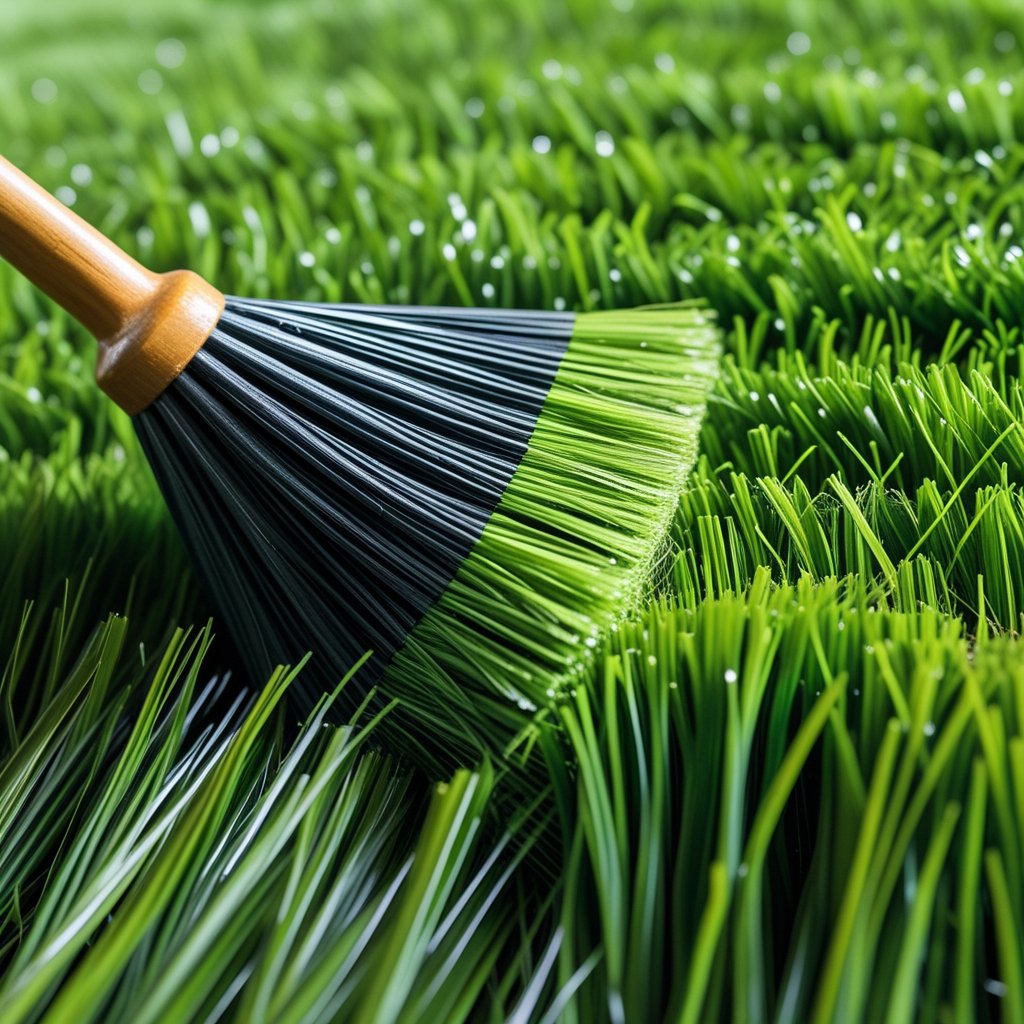
The most important brushing decision is selecting the right tool. Use a stiff-bristle push broom with synthetic bristles, such as nylon or polypropylene. These bristles are firm enough to lift turf fibers and move infill without being so hard that they damage the fibers. A broom with bristles about three to four inches long works best for most residential turf applications.
Never use a metal rake, wire brush, or any tool with metal tines on your artificial turf. Metal tools will tear, fray, and permanently damage turf fibers. They can also scratch and weaken the backing material, leading to tears and drainage problems. Even tools marketed as "gentle" metal rakes can cause cumulative damage over time. Stick exclusively to synthetic-bristle tools for all brushing and grooming tasks. Some turf supply companies sell specialized turf grooming brushes designed specifically for synthetic surfaces, which can be a worthwhile investment.
Proper Brushing Technique
The key to effective brushing is direction. Brush against the natural grain of the turf fibers, not with it. When you look at your turf, you will notice the fibers lean in a particular direction, this is called the grain or nap. Brushing against this grain lifts the fibers back to an upright position, restoring the full, natural look of the turf. Brushing with the grain simply pushes the fibers further in the direction they are already leaning, which worsens matting.
Use moderate, consistent pressure when brushing. There is no need to press down hard. Let the bristles do the work of lifting the fibers. Push the broom in long, smooth strokes rather than short, aggressive scrubbing motions. Work in rows, similar to mowing a lawn, to ensure you cover the entire surface evenly. Overlap your strokes slightly to avoid leaving ungroomed strips between passes.
Brushing Direction and Pattern
For the best results, vary your brushing direction periodically. If you always brush in the same direction, the turf fibers can develop a persistent lean in the opposite direction. Alternate between brushing north to south one week and east to west the next. This cross-directional approach keeps the fibers flexible and prevents them from setting in any single direction.
Start brushing from the center of your turf and work toward the edges. This prevents infill from being pushed toward and over the perimeter, which can cause thinning in the middle and excess buildup along the edges. As you brush, you are gently redistributing the surface layer of infill, so working from center to edge keeps the distribution more even across the entire surface.
How Often to Brush
The ideal brushing frequency depends on how heavily your turf is used. For moderate residential use, brushing once every one to two weeks keeps the fibers in good shape. High-traffic areas, pet zones, and play areas benefit from weekly brushing. Lightly used decorative turf in front yards or side yards may only need brushing once a month.
Certain events should trigger additional brushing regardless of your regular schedule. After parties or gatherings that involved heavy foot traffic, brush the affected areas to restore fiber alignment. After strong winds that may have flattened fibers or displaced infill, a brushing pass helps reset the surface. After professional cleaning, a light brushing a day or two later helps maintain the freshly groomed look as the turf settles.
Benefits of Regular Brushing
Consistent brushing delivers multiple benefits beyond appearance. Upright fibers provide better cushioning and a softer feel underfoot. Even infill distribution supports proper drainage and prevents low spots from developing. Regular brushing also helps you spot potential problems early, such as seam separation, infill loss, or early signs of wear, because you are actively examining the turf surface as you work.
Over the long term, brushed turf ages more gracefully than neglected turf. Fibers that are regularly lifted resist permanent matting, maintaining their resilience and appearance for years longer. This simple, free maintenance task directly extends the functional and aesthetic lifespan of your artificial turf investment.
When to Get Professional Help
If your turf fibers are severely matted and do not respond to hand brushing, professional power brushing may be needed. Professional grooming equipment uses rotating brushes that provide much more lifting force than manual brooms, capable of restoring fibers that have been flattened for months. If you have areas that remain flat despite your best brushing efforts, a professional grooming visit can often restore them to like-new condition. Consider professional grooming once or twice a year as a supplement to your regular brushing routine.