Bacteria on Artificial Turf: What You Need to Know
Artificial turf provides a beautiful, low-maintenance lawn, but it is not immune to bacterial contamination. Like any outdoor surface, synthetic grass can harbor various types of bacteria that accumulate over time from pet waste, organic debris, moisture, and everyday use. For San Diego homeowners, understanding the bacterial risks associated with artificial turf and how to manage them is essential for keeping your family and pets healthy.
Types of Bacteria Found on Artificial Turf
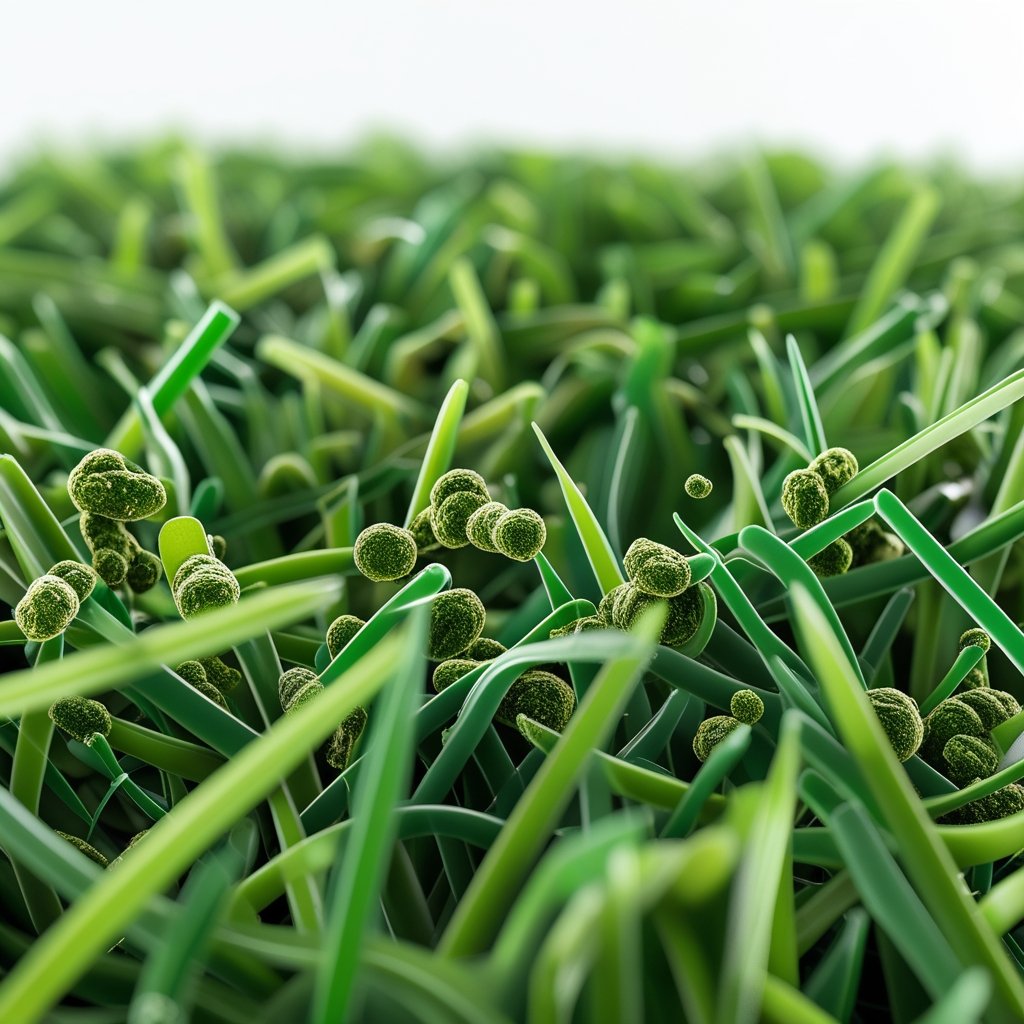
Research has identified several common types of bacteria on artificial turf surfaces. Staphylococcus species, including Staphylococcus aureus, are frequently found on high-traffic synthetic surfaces. E. coli and other coliform bacteria are commonly introduced through pet waste and can persist in the infill if not properly cleaned. Pseudomonas, Salmonella, and various mold and fungal organisms have also been detected on untreated artificial turf surfaces.
The specific bacterial populations on your turf depend on how the surface is used. Turf in pet areas will have higher concentrations of fecal bacteria like E. coli and Enterococcus. Turf used for sports or children's play can accumulate skin-associated bacteria like Staphylococcus. Shaded, moist areas are more prone to mold and mildew growth. Understanding what drives bacterial growth on your particular turf helps target your cleaning efforts effectively.
Health Risks of Bacterial Contamination
The health risks from bacteria on artificial turf depend on the types and concentrations present, as well as who is being exposed. For most healthy adults, casual contact with turf bacteria is unlikely to cause illness. However, certain populations are at higher risk. Young children who crawl on the surface and put their hands in their mouths can ingest bacteria directly. People with open cuts or scrapes can develop skin infections from contact with contaminated turf. Immunocompromised individuals are more susceptible to infections from common environmental bacteria.
Pet waste-related bacteria pose the most consistent health concern for residential turf. When pet urine and feces are not properly cleaned, bacteria multiply rapidly in the warm, moist environment of the infill. These bacteria can become aerosolized when the turf is disturbed, creating inhalation risks. They can also be tracked indoors on shoes and paws, spreading contamination throughout your home.
How Bacteria Accumulates on Turf
Bacteria multiply whenever conditions are favorable: warmth, moisture, and a food source. On artificial turf, the infill provides an ideal environment. Pet waste, decomposing organic debris, and even human skin cells provide nutrients for bacterial growth. San Diego's warm climate accelerates bacterial reproduction, particularly during the summer months when temperatures in the turf surface and infill can be quite high.
Bacteria also accumulate through regular use. Every person and pet that walks on the turf introduces new microorganisms. Over time, without proper cleaning, bacterial populations grow and become established in the infill and on the fiber surfaces. This is a gradual process, which is why turf that was clean when installed can develop significant bacterial loads after months or years of use without professional sanitization.
Prevention Through Regular Maintenance
The most effective way to prevent harmful bacterial buildup is a consistent maintenance routine. Pick up pet waste immediately and rinse the area. Remove organic debris like leaves and food scraps promptly. Rinse your turf surface weekly during warm months to flush surface bacteria. These simple daily and weekly habits significantly reduce the bacterial load on your turf.
However, routine maintenance alone cannot eliminate bacteria that has worked its way deep into the infill. This is where professional sanitization becomes essential. Professional cleaning uses specialized enzyme-based and anti-microbial solutions that penetrate the infill layer and kill bacteria at the source. The equipment used by professionals also provides more thorough coverage and deeper penetration than household cleaning methods.
Professional Sanitization Importance
Professional sanitization should be part of every artificial turf maintenance plan, regardless of whether you have pets. For pet-free households, twice-yearly professional sanitization is generally sufficient to keep bacterial levels safe. Homes with pets should schedule professional sanitization every two to three months, with more frequent service during the warmer months when bacterial growth is fastest.
At Turf Cleaning SD, our sanitization process uses EPA-registered, pet-safe and child-safe products that eliminate up to 99 percent of common bacteria on contact. We target both the turf surface and the infill layer, ensuring comprehensive treatment that leaves your turf hygienically clean. If it has been more than six months since your last professional sanitization, we recommend scheduling a visit to reset your turf's bacterial levels and protect your family's health.