Backyard Dog Run Turf: Keeping It Fresh and Clean
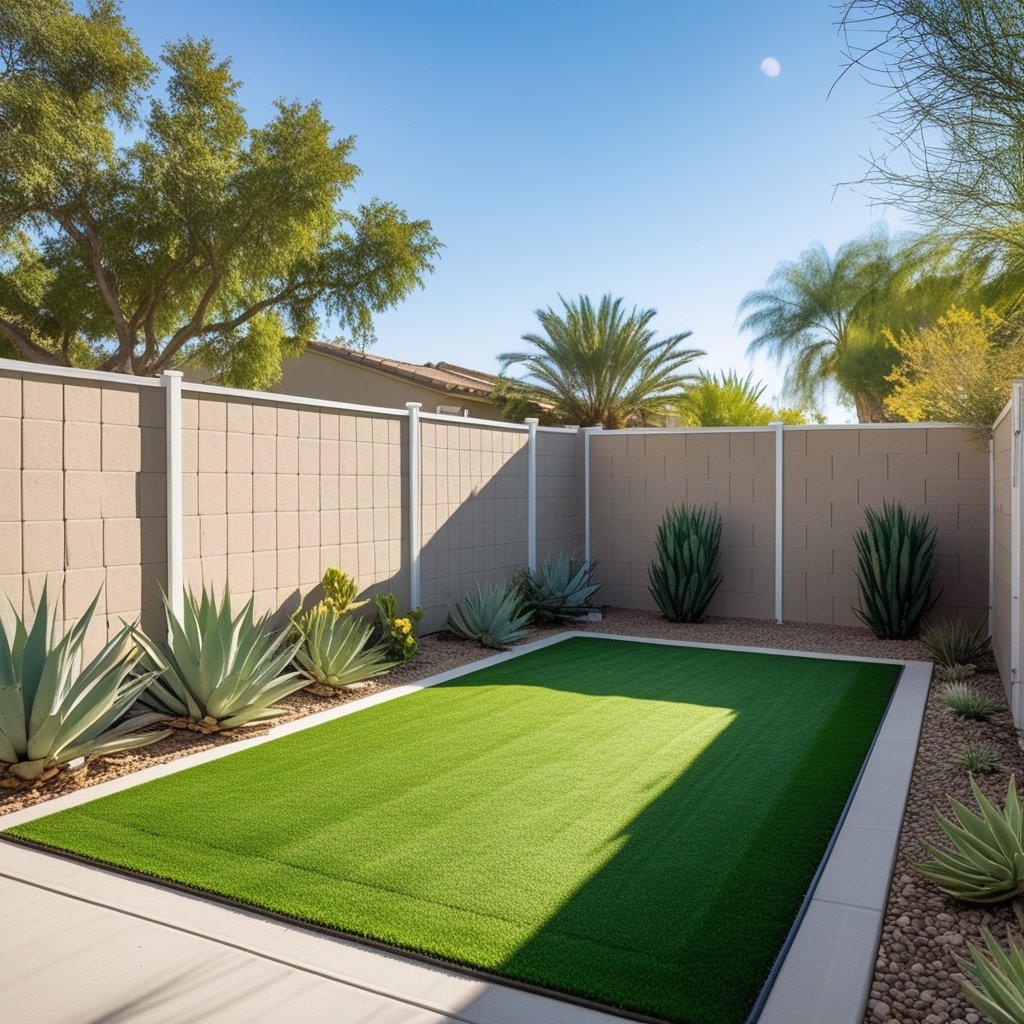
A dedicated dog run is one of the smartest features a San Diego pet owner can add to their backyard. By confining pet activity to a specific area with artificial turf, you protect the rest of your landscaping while giving your dog a durable, comfortable outdoor space. However, dog run turf experiences the most concentrated use of any residential turf application. All waste, all foot traffic, and all play activity happens on a relatively small surface area. This intensity requires a specific maintenance approach to keep the surface clean, fresh, and functional.
Dog Run Specific Maintenance
Dog run maintenance differs from general lawn maintenance in both frequency and intensity. Where a full-yard turf installation might tolerate weekly debris cleanup, dog run turf needs daily attention. The concentrated waste in a confined space means that even a single day of neglected cleanup can create noticeable odor, especially during San Diego's warm months.
Daily maintenance for a dog run should include picking up all solid waste at least twice, rinsing the entire surface with a garden hose after the final pickup of the day, and spraying enzyme cleaner on the heaviest-use zones. This daily routine takes about ten minutes and is the foundation of effective dog run care.
Weekly tasks should include a more thorough rinse with moderate hose pressure across the full surface, brushing the entire run with a stiff nylon broom to lift fibers and decompact infill, and inspecting edges and seams for wear or damage. Monthly, the dog run should receive a deep enzyme soak, allowing the product to saturate the infill completely and work for several hours before rinsing.
Heavy-Use Area Care
Within a dog run, certain spots see even heavier use than others. The area just inside the entry gate, the corner closest to where the dog watches the household, and the path along the fence line are typically the most worn zones. These areas need extra attention because fibers mat faster, infill displaces sooner, and waste concentrates more heavily.
Power brush these high-wear zones weekly while the rest of the run may only need biweekly brushing. Add infill to these areas proactively rather than waiting until the backing shows through. Consider placing stepping stones or a small paver section at the entry point to reduce turf wear at the highest-traffic transition point.
Infill for Dog Runs
Dog run infill selection is critical because the infill handles more waste per square foot than any other residential application. Zeolite infill is strongly recommended for dog runs because its natural ammonia absorption provides continuous odor control between cleanings. The investment in zeolite pays for itself through reduced odor complaints and less frequent deep cleaning needs.
Plan for infill replenishment every 12 to 18 months in an active dog run, compared to the typical two to three year cycle for general lawn areas. The combination of daily rinsing, frequent enzyme treatments, and concentrated physical activity depletes and displaces infill faster in a dog run than anywhere else on your property.
Drainage in Confined Areas
Drainage is particularly important in dog runs because the liquid waste volume per square foot is very high. The base beneath a dog run should be designed for superior drainage, with deeper aggregate layers and positive slope toward perimeter drains. If your dog run was built with the same base specifications as your general lawn, you may experience drainage issues over time as the concentrated use overwhelms the system.
Monitor drainage performance regularly by observing how quickly water absorbs during your daily rinse. If water begins pooling or draining noticeably slower, the infill may need decompaction or the drainage system may need professional assessment.
Cleaning Frequency
For a dog run used by one medium-sized dog, the recommended professional service schedule is every four to six weeks. For two dogs, plan on every three to four weeks. Three or more dogs sharing a run warrants biweekly or even weekly professional service. These frequencies assume diligent daily maintenance by the owner between professional visits.
Professional dog run service from Turf Cleaning SD includes power brushing, deep enzyme treatment, infill assessment, drainage check, and sanitization. Our technicians understand that dog runs are the hardest-working turf on any property and tailor service intensity to match the demands of your specific setup and number of pets.