Artificial Turf Seam Maintenance: Preventing Costly Repairs
Seams are where separate pieces of artificial turf are joined together during installation. While a quality installation makes seams nearly invisible, they remain the most vulnerable points in any turf system. Seam failures can be costly to repair and can affect the appearance and performance of your entire lawn. Understanding how to maintain and monitor your seams is an important part of protecting your San Diego turf investment.
Understanding How Seams Work
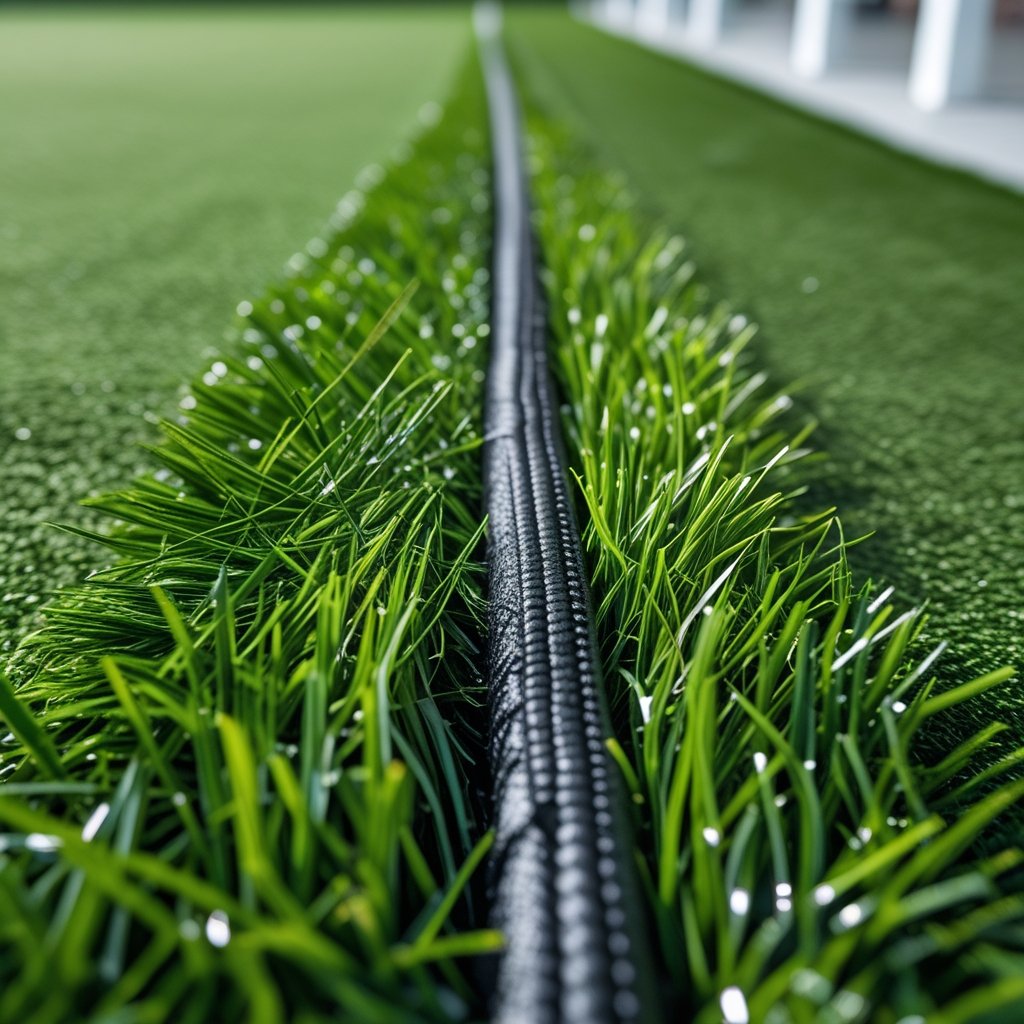
Artificial turf seams are created by joining two pieces of turf along their edges using a combination of seam tape and adhesive. The edges of each turf piece are trimmed precisely, placed together without gaps or overlaps, and secured to a strip of specialized seam tape coated with polyurethane adhesive. When properly installed, the fibers on each side of the seam blend together to create an invisible joint.
The seam adhesive cures to form a strong bond, but this bond is subject to stress from temperature changes, ground movement, foot traffic, and moisture. In San Diego, the combination of hot summers that soften adhesives and winter rains that saturate the ground creates thermal and moisture cycling that gradually stresses seam bonds over time.
Common Seam Issues
Seam separation is the most obvious problem, where the two pieces of turf pull apart to reveal the seam tape or bare ground beneath. This typically starts as a small gap and widens over time if not addressed. Separation allows debris, weeds, and water to enter the gap, accelerating the deterioration.
Seam peaking occurs when the edges of the turf along the seam push upward, creating a visible ridge. This is often caused by ground expansion, improper stretching during installation, or thermal expansion of the turf material in hot weather. While less severe than full separation, peaking is a trip hazard and an aesthetic issue that indicates stress on the seam.
Adhesive failure happens when the bond between the turf backing and seam tape weakens. This can be caused by moisture infiltration, UV degradation of the adhesive, or simply the age of the installation. When adhesive fails, the turf edges pull free from the tape even though the tape itself remains intact.
How to Spot Problems Early
Regular visual inspection is the best way to catch seam issues before they become expensive repairs. Walk your turf surface every few weeks and look for visible lines where seam locations are known. Run your hand across the seam area feeling for ridges, gaps, or loose edges. Look for areas where infill has settled into a line, which may indicate a developing gap.
Pay particular attention to seams in high-traffic areas and near the edges of your installation. These locations experience the most stress and are the first places where seam problems typically develop. Also inspect seams after heavy rains, as water movement can accelerate separation in weakened joints.
Professional Repair
When seam issues are detected early, professional repair is relatively straightforward and affordable. A technician lifts the edges along the affected area, cleans the old adhesive from the backing, applies fresh seam tape and adhesive, and presses the edges back together. The repair area is weighted while the adhesive cures, typically for 24 to 48 hours.
Delayed repairs are significantly more expensive. Once a seam separation spreads, the surrounding turf can shift, wrinkle, or develop secondary damage that requires broader intervention. In severe cases, entire sections of turf may need replacement if seam failure has allowed water damage to the base layer or extensive weed growth through the gap.
Prevention Through Maintenance
Several maintenance practices help preserve seam integrity. Maintaining proper infill levels across your turf reduces the stress on seams by keeping the turf weighted and stable. Avoiding dragging heavy objects across seam lines prevents mechanical stress on the joints. Keeping vegetation trimmed back from turf edges prevents root systems from pushing under the turf and lifting seams.
Regular professional maintenance includes seam inspection as a standard component. This consistent monitoring catches minor issues while they are still simple fixes. Professional technicians can also apply seam-strengthening treatments to areas showing early signs of stress, preventing full failure.
The Cost of Neglect
A small seam repair caught early might cost a fraction of what a major repair requires after months of neglect. Beyond the direct repair cost, failed seams can void manufacturer warranties, reduce your property's curb appeal, and create safety hazards. Treating seam maintenance as a preventive investment rather than a reactive expense saves money and preserves the quality of your San Diego artificial turf for years to come.