Apartment Complex Turf Care in San Diego
San Diego's rental market is competitive, and property managers are constantly looking for ways to attract and retain quality tenants while managing operational costs. Artificial turf has become a popular upgrade for apartment complexes across the county, from the urban communities of North Park to the suburban developments of Rancho Bernardo. Well-maintained turf boosts curb appeal, reduces water expenses, and provides attractive shared outdoor spaces. But multi-unit properties have specific maintenance needs that require thoughtful planning.
Multi-Unit Property Turf Needs
Apartment complexes differ from single-family homes in several important ways when it comes to turf care. Multiple households share the same outdoor spaces, meaning higher foot traffic and more varied use patterns. Pet density is often higher per square foot of turf. Management has less control over individual resident behavior, making proactive maintenance rather than reactive cleanup the more effective strategy.
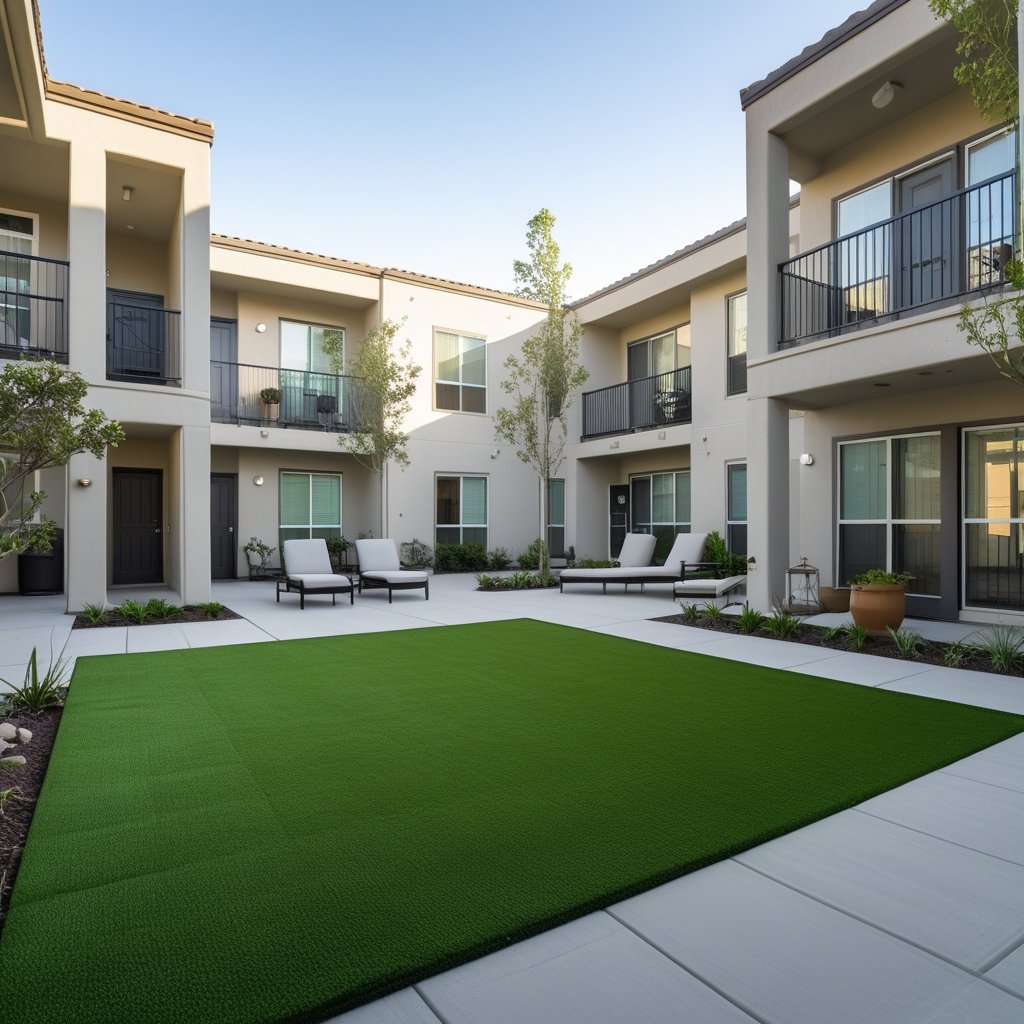
Common turf areas in apartment complexes typically include courtyards, pool surrounds, play areas, pet relief zones, and entryway landscaping. Each of these areas has different use patterns and cleaning requirements. A one-size-fits-all approach to maintenance rarely delivers optimal results for multi-unit properties.
Pet Policies and Turf Maintenance
In San Diego, the majority of apartment complexes allow pets, and many actively market themselves as pet-friendly. This is a strong marketing advantage, but it comes with maintenance responsibilities. Pet waste and urine are the most common sources of turf odor and deterioration in apartment settings. Without proper management, pet-related issues can become the top source of tenant complaints.
Effective pet turf management combines clear resident policies with robust professional cleaning. Pet waste stations throughout the property encourage responsible behavior. Designated pet areas with more frequent professional cleaning help concentrate and manage the impact. Regular enzyme treatments in pet-heavy areas prevent the buildup of uric acid crystals that cause persistent odors, especially during San Diego's warm summer months.
Communal Area Maintenance
Communal turf areas see constant use from a diverse group of residents with different habits and expectations. Children play, adults relax, pets exercise, and guests visit, all on the same surfaces. This diversity of use requires a maintenance program that addresses a wide range of potential contaminants and wear patterns.
For most San Diego apartment complexes, a biweekly professional cleaning schedule provides the right balance. Pet relief areas may need weekly attention, while decorative turf in low-traffic areas can often go monthly between professional visits. A tiered maintenance approach allows property managers to allocate cleaning resources where they are most needed.
Tenant Satisfaction and Retention
Clean, attractive common areas directly influence tenant satisfaction and lease renewal rates. In San Diego's competitive rental market, tenants have options, and the condition of shared outdoor spaces is a factor in their decision to stay or move. Property managers who invest in regular turf maintenance often see lower turnover rates and the ability to command premium rents.
Responding promptly to turf-related complaints also matters. If a resident reports an odor issue or a stained area, addressing it quickly demonstrates responsive management and prevents the problem from becoming a larger source of dissatisfaction. Having a professional cleaning provider on a regular schedule makes it easy to add spot treatments between regular visits when needed.
Property Value Protection
For property owners, well-maintained artificial turf contributes to overall property value. Appraisers and potential buyers or investors notice the condition of the landscaping, and professionally maintained turf is a visible indicator of overall property management quality. The cost of regular cleaning is minimal compared to the value it protects and the replacement costs it helps avoid.
Property managers should maintain records of all turf maintenance activities, including dates, services performed, and costs. This documentation supports property valuations, demonstrates responsible asset management, and provides a clear history of care for any future owner or investor review.