Allergen Control on Artificial Turf in San Diego
For the many San Diego residents who suffer from seasonal allergies, the outdoors can be a challenging environment, especially during peak pollen and dust seasons. Artificial turf offers significant advantages over natural grass for allergy sufferers since it does not produce pollen itself. However, synthetic turf can still collect environmental allergens that settle on its surface. With the right maintenance approach, you can minimize allergen accumulation and create a much more comfortable outdoor space for sensitive family members.
Common Allergens on Artificial Turf
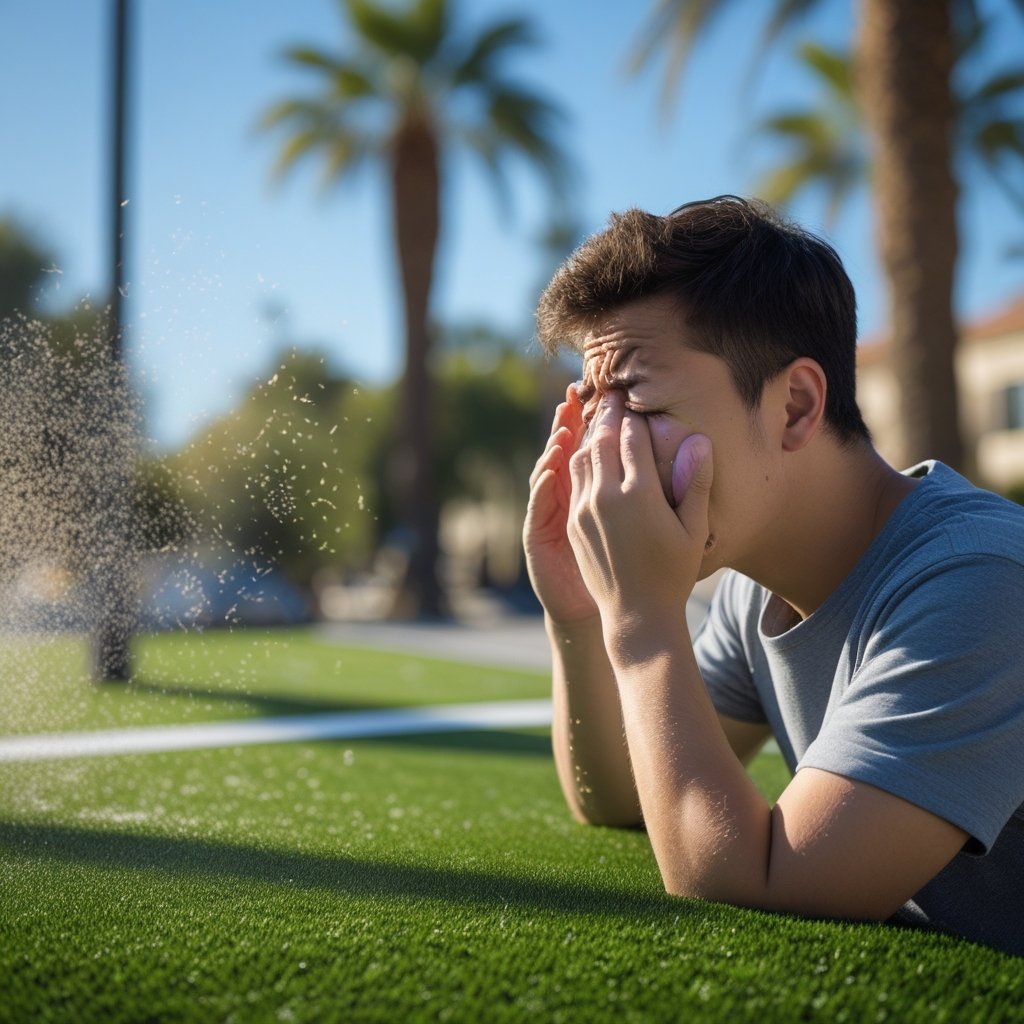
The most prevalent allergens found on artificial turf in San Diego include tree and plant pollen, grass pollen from neighboring natural lawns, dust and fine particulate matter, mold spores, and pet dander. These allergens settle on the turf surface and work their way into the infill over time. When the turf is walked on, played on, or disturbed by wind, these trapped allergens become airborne again, creating a concentrated exposure zone right at ground level.
San Diego's diverse plant life means pollen is present in the air for much of the year. Tree pollen peaks in late winter and early spring, grass pollen arrives in late spring and summer, and weed pollen lingers into fall. The Santa Ana winds add another layer by carrying dust and allergens from inland areas. This overlapping cycle means your turf may be collecting allergens nearly year-round.
Strategies for Reducing Allergens
The foundation of allergen control on artificial turf is regular rinsing. Water is your best friend when it comes to removing pollen and dust from the turf surface. A thorough rinse with your garden hose dissolves pollen grains and washes them through the turf into the drainage system. During peak allergy season, rinsing your turf two to three times per week can make a meaningful difference in the allergen levels on the surface.
Timing your outdoor activities can also help. Pollen counts tend to be highest in the early morning and on warm, windy days. If you rinse your turf before afternoon use, you remove much of the pollen that settled during the morning peak. Keeping windows closed during high pollen periods prevents indoor contamination from turf-contact allergens tracked inside on shoes and clothing.
Cleaning for Allergy Sufferers
Allergy-conscious turf cleaning goes beyond standard maintenance. In addition to regular rinsing, consider using a HEPA-filtered leaf blower or vacuum designed for artificial turf to remove settled allergens without blowing them into the air. When brushing your turf, wear a mask if you are sensitive to airborne allergens, as brushing can dislodge trapped particles.
For households with severe allergy sufferers, a weekly cleaning routine during peak seasons should include rinsing the entire turf surface, brushing high-use areas with a stiff-bristle broom, and spot-treating any visible mold or mildew. In between professional cleanings, an over-the-counter turf sanitizer can help control mold spore levels, which are a common trigger for allergy and asthma symptoms.
Air Quality Benefits of Clean Turf
Maintaining clean artificial turf actually contributes to better air quality in your immediate outdoor environment. A turf surface that is regularly rinsed and professionally cleaned has significantly lower levels of airborne allergens compared to neglected turf. This is because clean turf traps fewer allergens and releases fewer particles when disturbed. In contrast, heavily contaminated turf acts like a reservoir of allergens, releasing them continuously with every footstep or gust of wind.
Compared to natural grass, clean artificial turf provides a substantially lower-allergen outdoor experience. Natural grass produces its own pollen, harbors mold in the soil, and supports insect populations that generate additional allergens. By eliminating these biological sources and keeping the synthetic surface clean, artificial turf creates an outdoor space that allergy sufferers can actually enjoy comfortably.
Professional Allergen Removal
While regular rinsing handles surface allergens effectively, professional cleaning addresses the deeper accumulation in the infill that DIY methods cannot reach. Professional equipment flushes allergens from the infill layer, removes embedded pollen and dust, and applies anti-microbial treatments that inhibit mold and mildew growth for weeks after the service.
For San Diego households with allergy sufferers, we recommend professional cleaning at least four times per year, timed to address each major allergen season. A spring cleaning targets tree pollen accumulation. A summer service addresses grass pollen and dust. A fall cleaning removes weed pollen and prepares for the mold-prone wet season. And a winter service combats mold and mildew from the rains. This quarterly schedule keeps allergen levels consistently low and allows allergy sufferers to enjoy their outdoor spaces with minimal symptoms throughout the year.